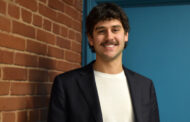



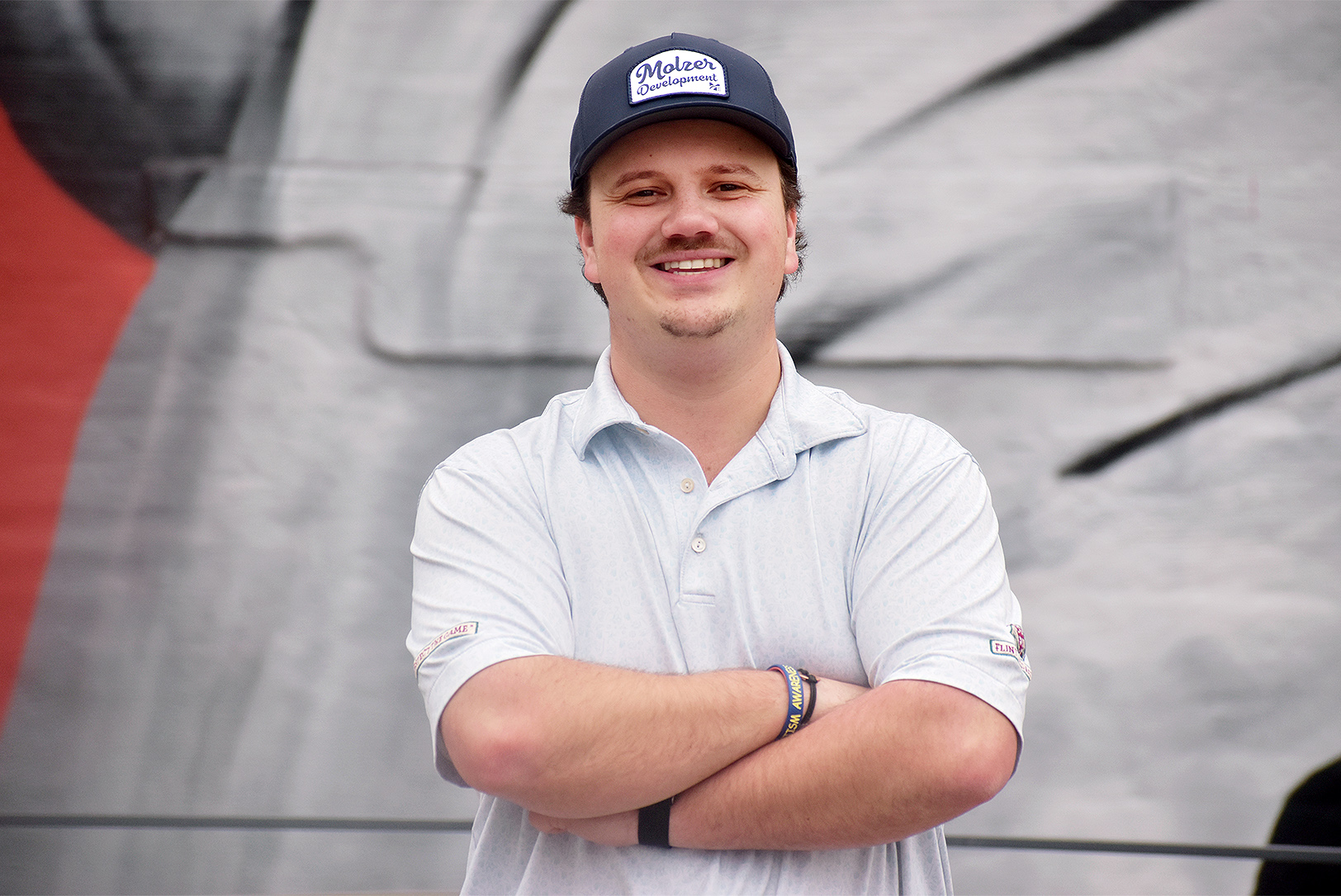
Whether it’s the $38 million overhaul of an iconic downtown Kansas City hotel, or reheating the future of an East Crossroads industrial space — think 8,000-square-foot rooftop bar atop a no-nonsense social club — Zach Molzer is building buzz, and tearing down walls.
“We’re young, with just the right amount of crazy in us to say, ‘Let’s figure it out,’” said Molzer, the 24-year-old principal and founder of Molzer Development.
Across Instagram, Facebook, YouTube and TikTok, Molzer and his team teasing construction updates, design decisions and candid reflections on the realities of development. They go behind the scenes — in an intimate, documentary style — uncovering forgotten relics and their mysteries, like why previous developers covered sprawling terrazzo tile floors in the historic Aladdin Hotel, the firm’s flagship renovation project.
In the past month alone, Molzer said, their content reached more than 60 million people, a number that still catches him off guard.
“It’s just absolutely mind-boggling,” said Molzer. “The support’s been unbelievable. It’s really cool. Great for our investors, great for our lenders, great for future tenants. The city, the whole nine yards.”
Click here to follow Molzer Development on Instagram.
The attention is significant, but for Molzer the work carries more weight than social metrics. His motivation is closely tied to the place he grew up and the impact he hopes to have over time.
“People want nice things, they want money and all that,” he said. “That comes with the legacy, in my opinion. But that’s not legacy. Legacy is that you can help change your city. That’s what I’m here to do.”
Among the other legacy-building projects breaking through: the $8.5 million Holtman Building at 18th and Holmes.
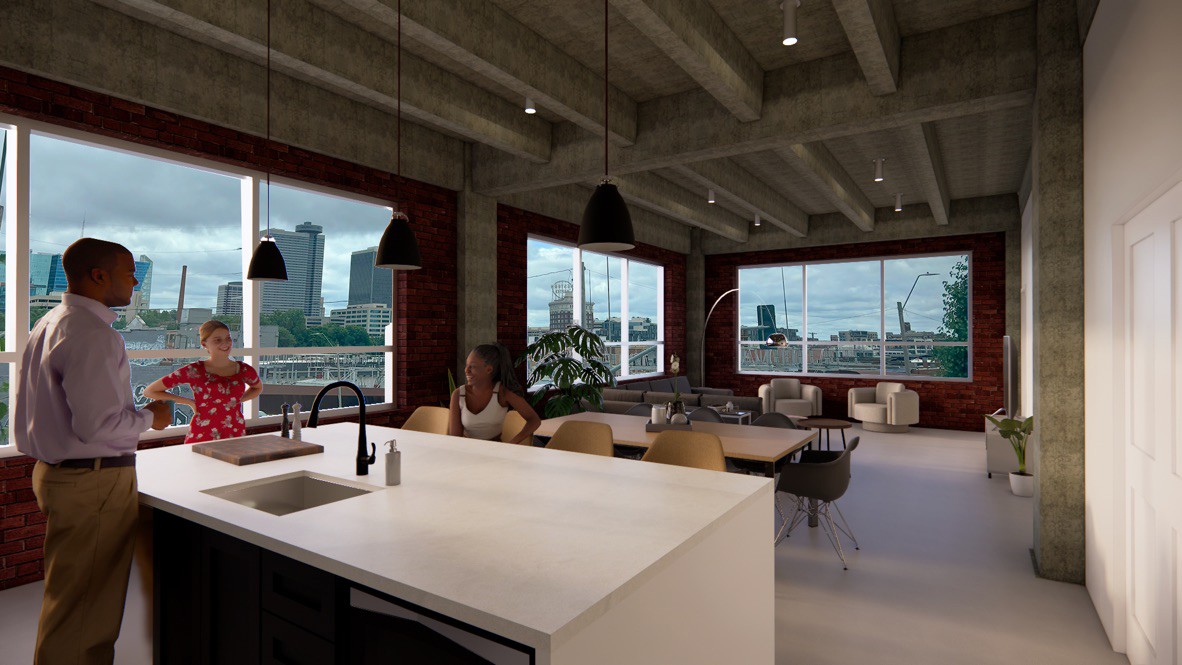
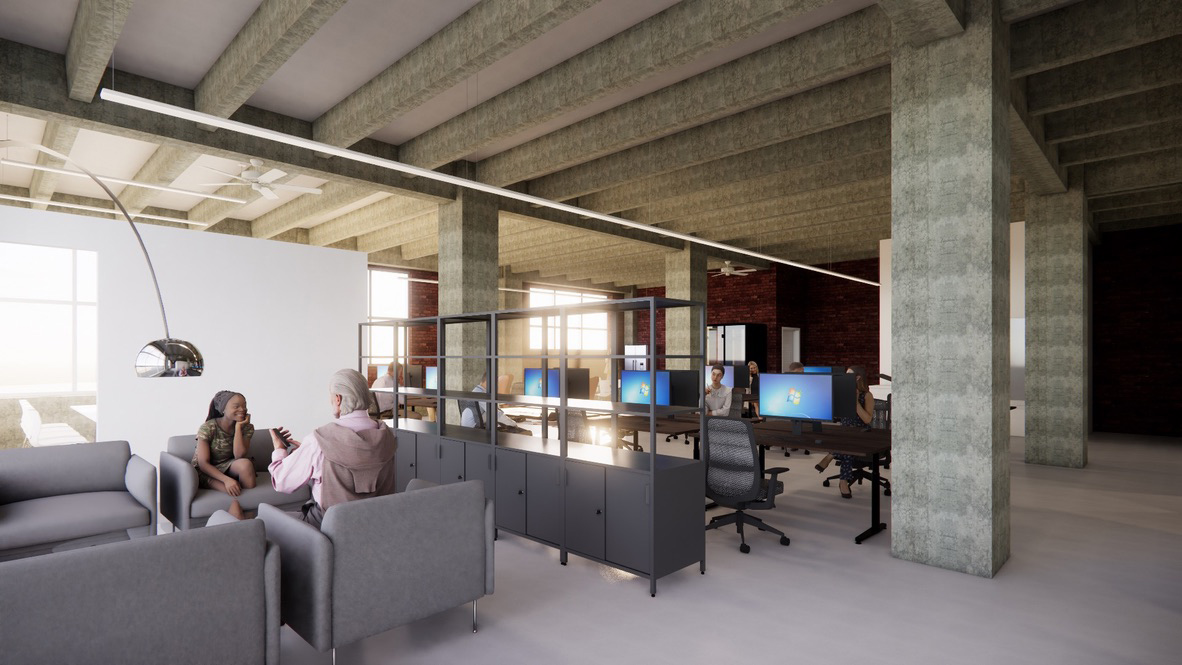
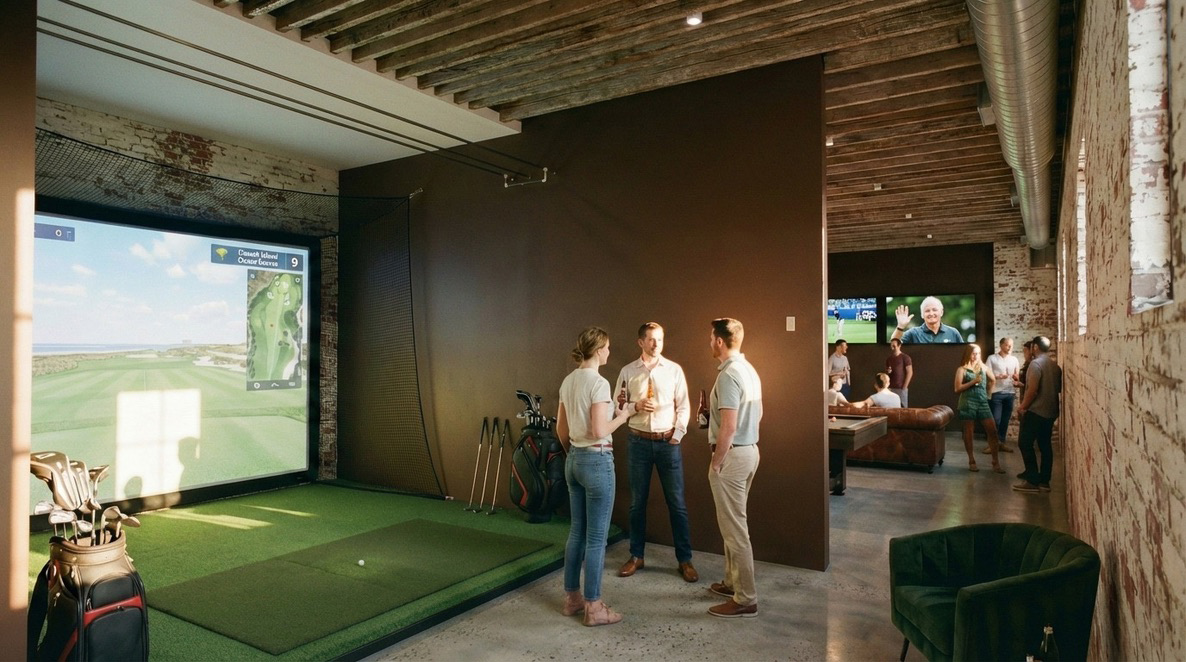
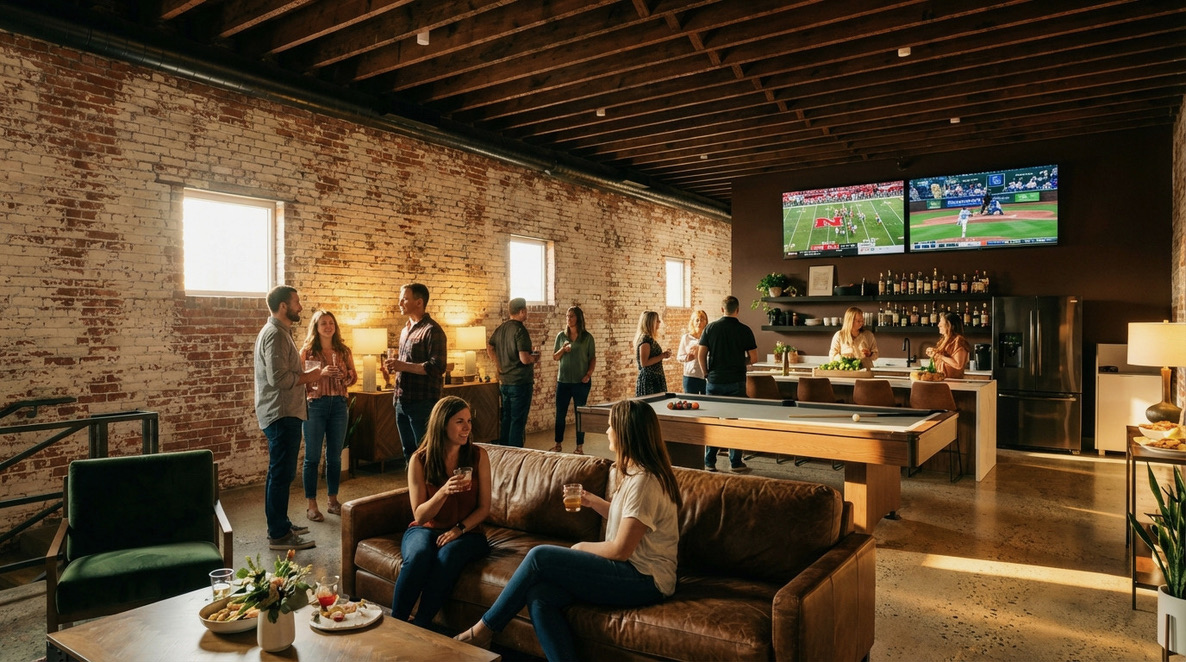
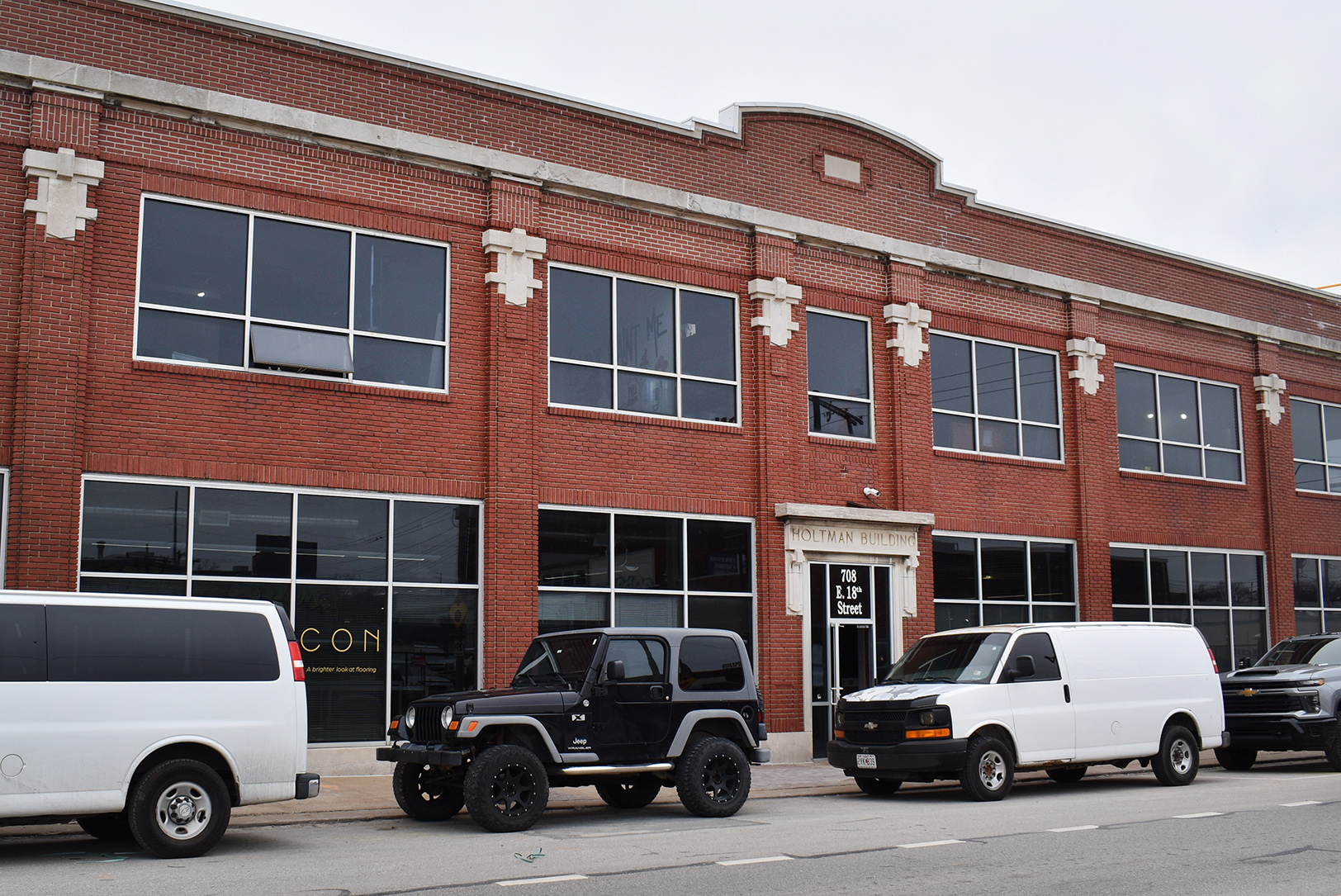
The mid-renovation Holtman Building at 708 E 18th St, Kansas City; photo by Taylor Wilmore, Startland News
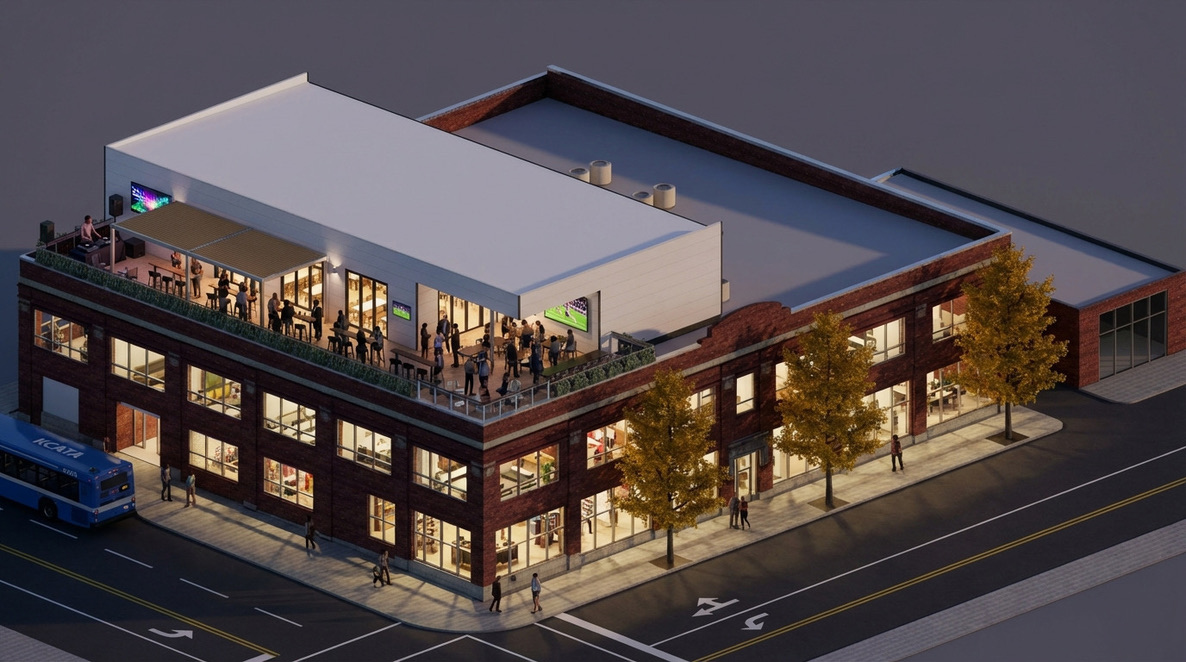
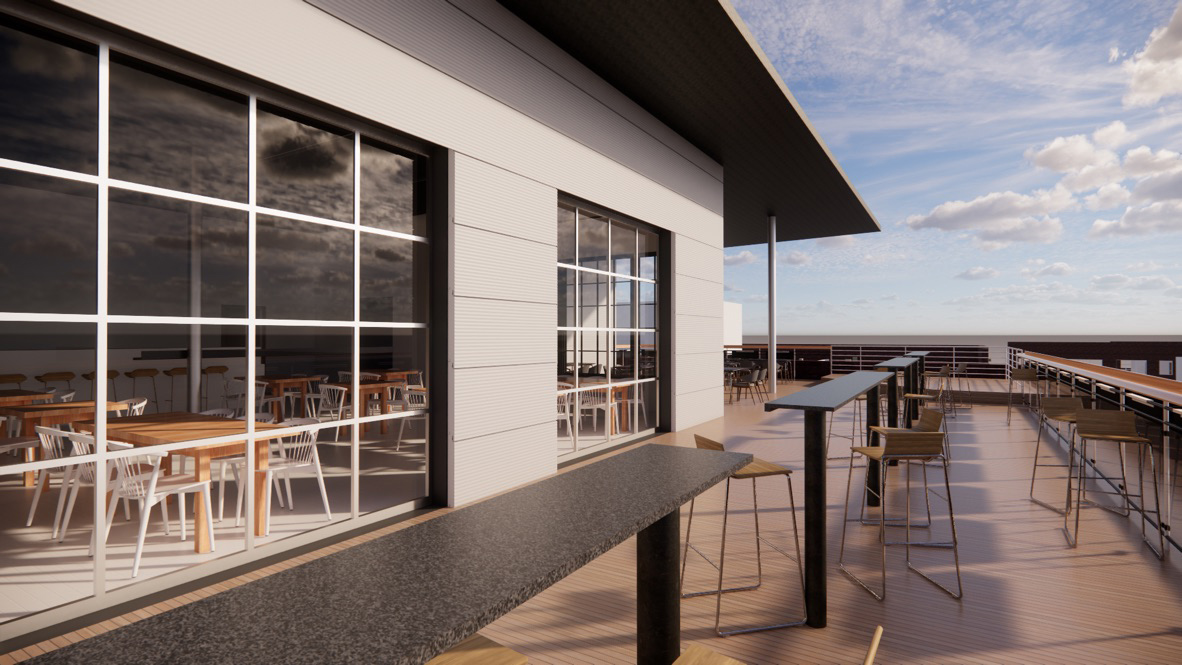
Molzer Development is converting the circa 1918 two-story building — built as an industrial furnace company — into a vibrant mixed-use destination, combining ground-floor commercial space, creative workspace, luxury lofts, and a rooftop bar designed to activate the East Crossroads neighborhood.
The vision: Reimagining the space as a new social gathering point, anchored by a member-only club — The Garage — designed “as a place to drop the performative, lean into honest conversation, and gather with people who give a damn. This isn’t velvet rope nonsense. It’s an invite to help shape something real.”
Construction already is under way, with the project expected to be complete in May.
“The Holtman demonstrates how historic industrial buildings can be repositioned into modern, community-driven spaces that retain their original soul,” Molzer said.
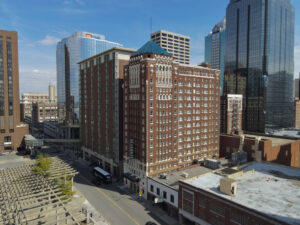
A pre-renovation view of the historic Aladdin Hotel, overlooking the former Barney Allis Plaza in downtown Kansas City; courtesy photo
A historic bet on the Aladdin
Molzer was born and raised in Kansas City and, after working for a developer in Tulsa, felt a pull to return home and build something lasting.
“I knew I wanted to come back. I knew that this is the spot I wanted to be at,” he said.
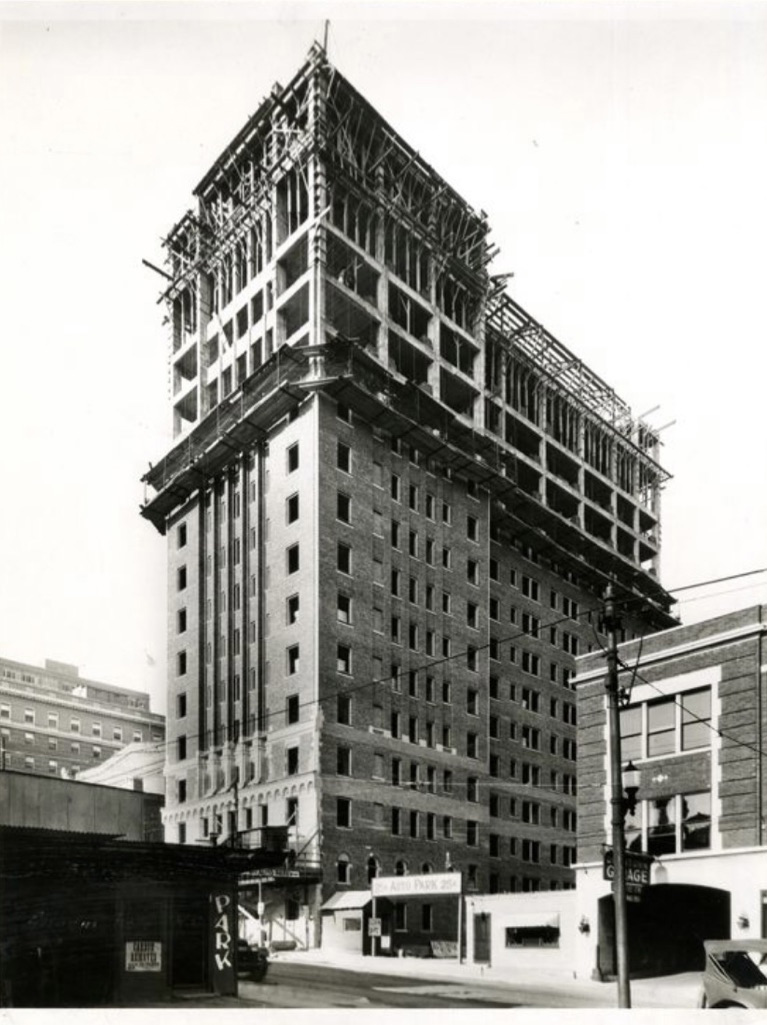
An undated construction photo of the historic Aladdin Hotel, built in 1925; courtesy photo
In June 2024, Molzer Development purchased the Aladdin, a century-old downtown property that had cycled through potential redevelopment plans for years. For Molzer, the timing and the building itself aligned in a way that felt rare.
“Right place, right time, beautiful building,” he said. “It needed love and needed the right vision and the right team to be able to come in and put the dollars into it.”
The team is investing $38 million to convert the historic hotel — overlooking the massive under-construction Barney Allis Plaza project — into apartments designed with a hospitality mindset. From layout efficiency to water pressure to the feel of shared spaces, Molzer approaches the building as someone who understands what residents in his generation actually want.
“You should not be able to buy a building, close on it, fully convert it, put $38 million into it and be done in two years,” he said. “This building definitely challenged the game.”
In addition to the Aladdin, the firm is closing on additional properties in the West Bottoms and Kansas City, Kansas, while preparing to break ground on new projects in Johnson County, Molzer said.
The pace is quick, and Molzer sees that momentum as part of the vision for what downtown and the region can become.
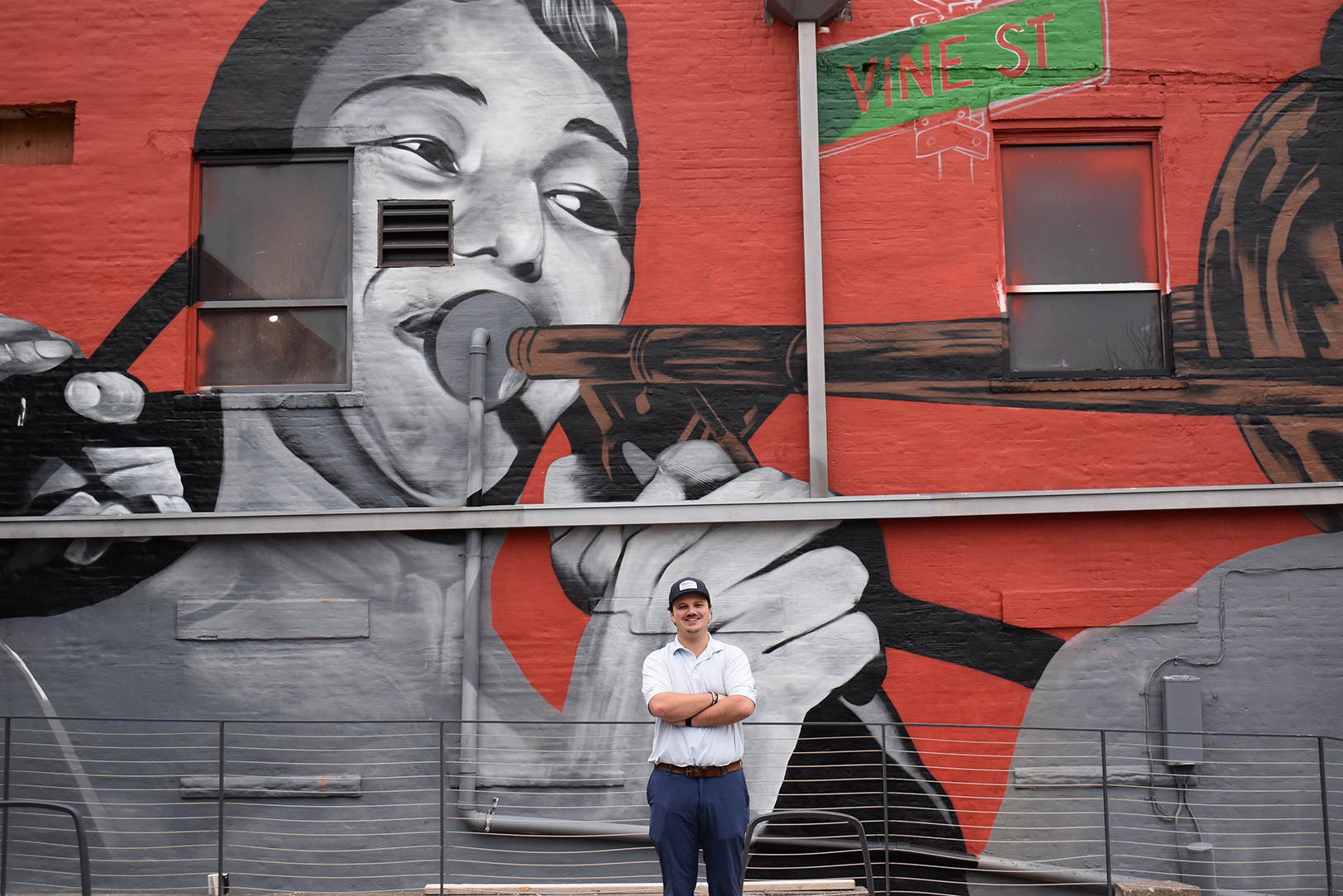
Zach Molzer stands in front of what was “the ugliest wall in the Midwest” before it became a sprawling mural project led by Molzer Development; photo by Taylor Wilmore, Startland News
Creativity in the Crossroads
That same energy shows up in smaller projects that still make a big visual impact. In the Crossroads Arts District, Molzer began transforming what he jokingly labeled “the ugliest wall in the Midwest” into a large-scale, community-sourced mural. Winter weather delayed the finishing touches, though he expects the project to wrap up soon.
Just steps away, another unconventional idea is taking shape. After purchasing a retired blue city bus, Molzer and his team are cutting it in half to create a fully functioning bus stop installation that blends art with utility.
“We’re converting it to the world’s first bus bus stop,” he said. “It’s crazy.”
Even when the project feels playful, the intention is serious. Molzer wants the neighborhoods he works in to feel active and memorable, with spaces that people talk about and share.
View this post on Instagram
Designing with intention, memory in mind
Molzer credits much of the company’s traction to transparency and perspective. Building in public has helped attract partners and tenants, he said, while his age gives him a clear sense of how his peers live and gather.
“Being young is our greatest strength,” he said. “We’re not bound by old methodologies or constrained by the rules of the past. We’re taking a very different approach to an old game.”
That mindset shapes how he measures whether a project is truly working. For Molzer, it goes further than occupancy rates or ribbon cuttings and centers on how people feel inside the spaces he brings back to life, he said.
Check out renderings from the Aladdin Hotel project, then keep reading.
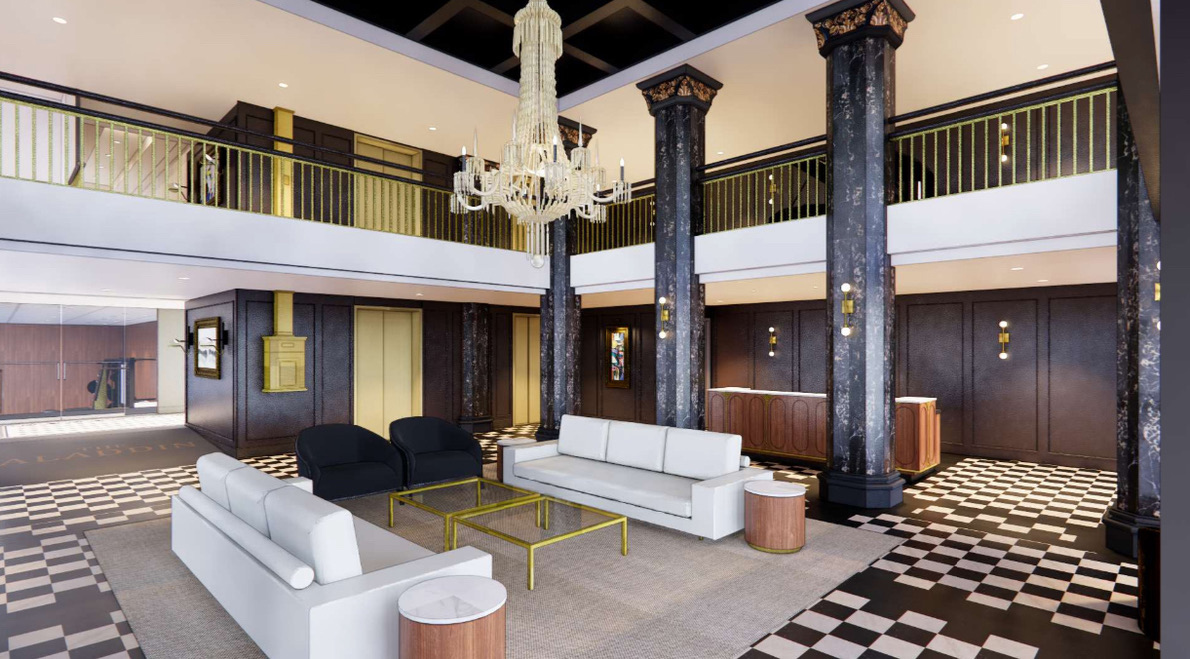
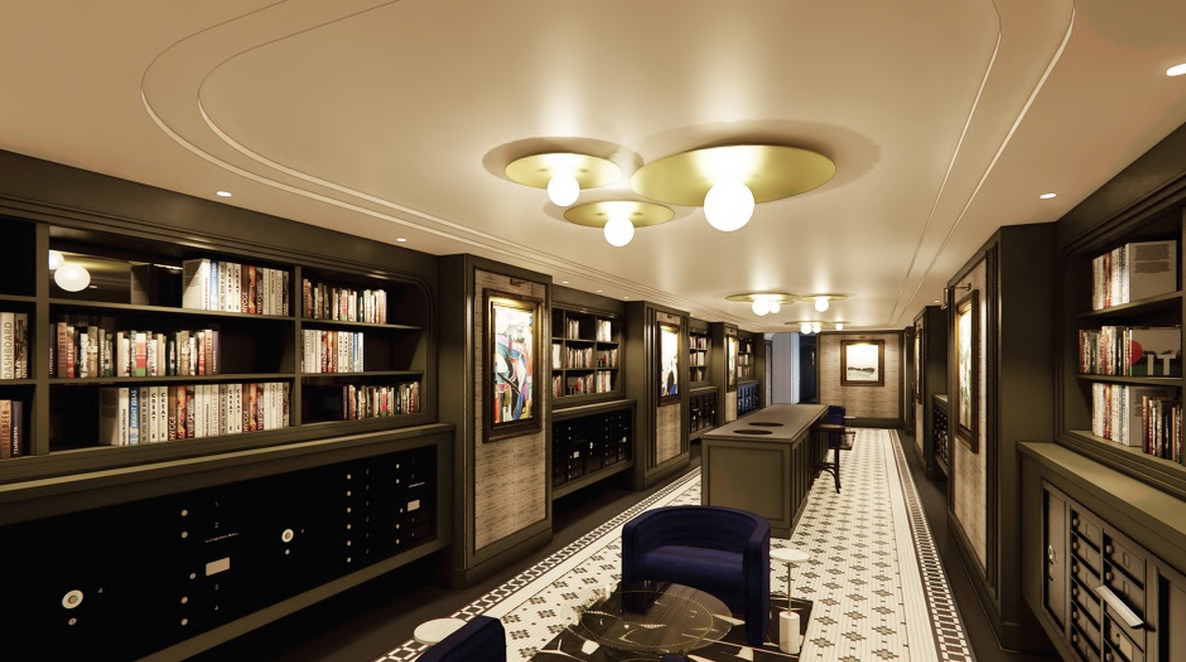
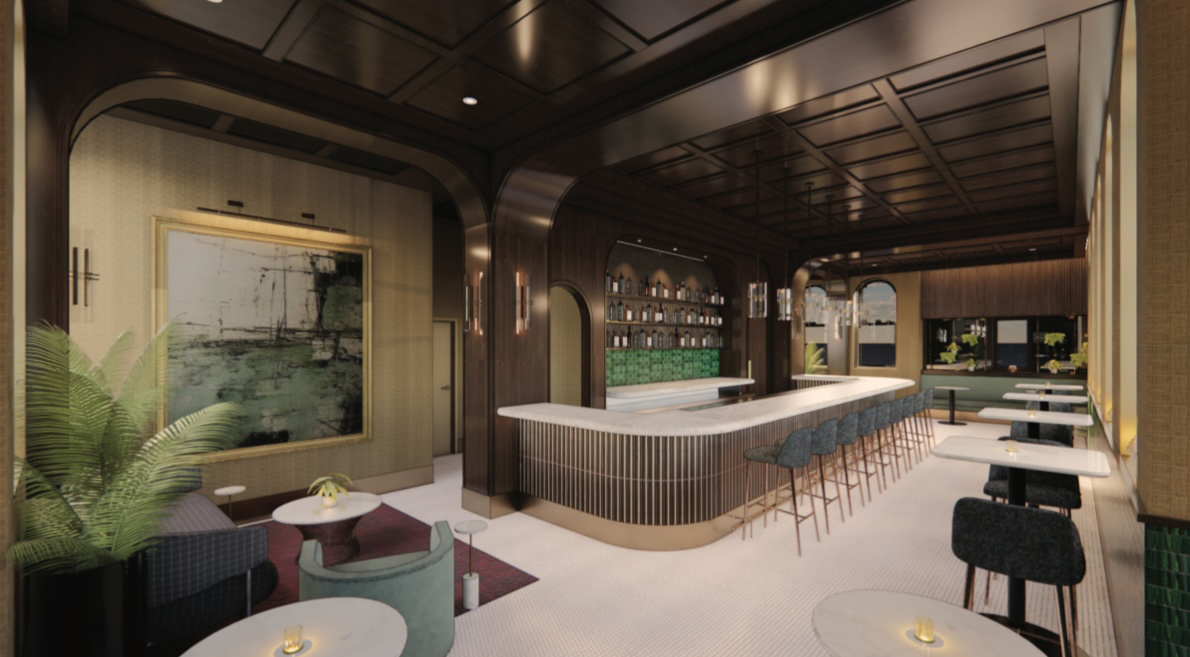
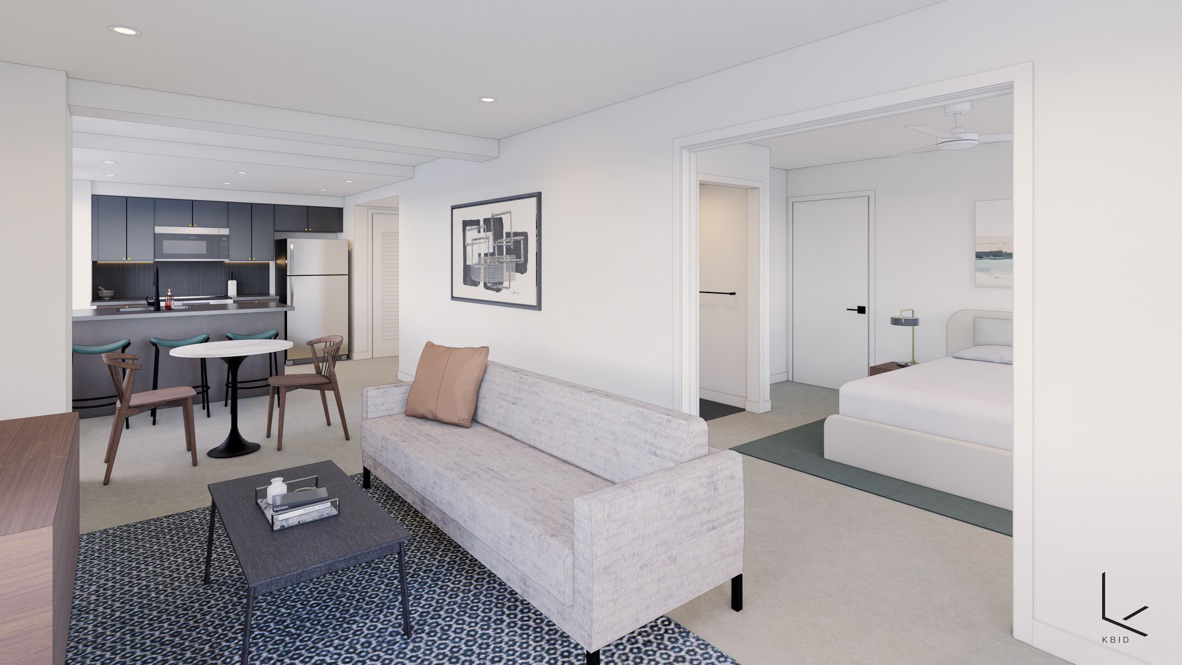
“I’ll know that this project and the Aladdin is a success when I see all the units and people living there, and they’re bragging about where they live online, and the cocktail bar is full and people are enjoying and they have smiles, and you hear the laughs,” Molzer said.
He often reflects on the fact that the Aladdin has already held decades of memories. In his mind, redevelopment is an opportunity to extend that story for another generation.
“If you think about that building, it’s 100 years old,” Molzer said. “To think that we’re giving a new life to it, where there’s gonna be breakups in that building, people are gonna go through a loss, they’re gonna have a first kiss. To be able to be like, hey, I helped create that. That’s what gets us up.”