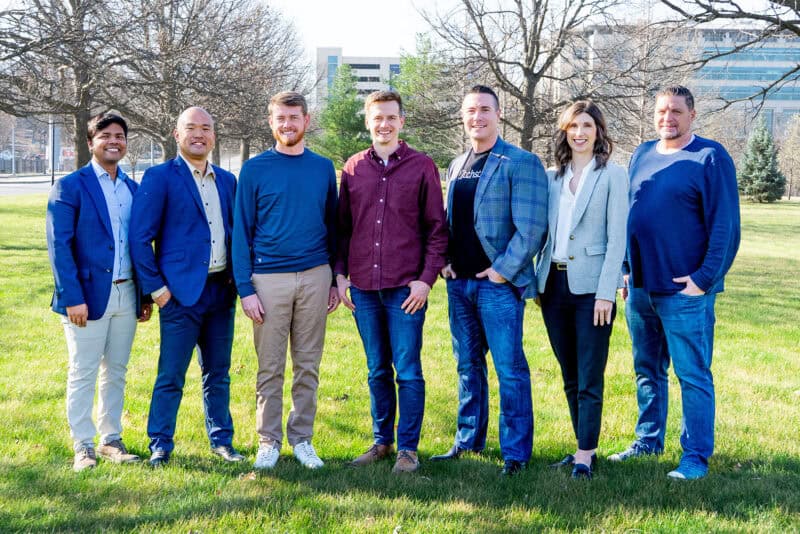
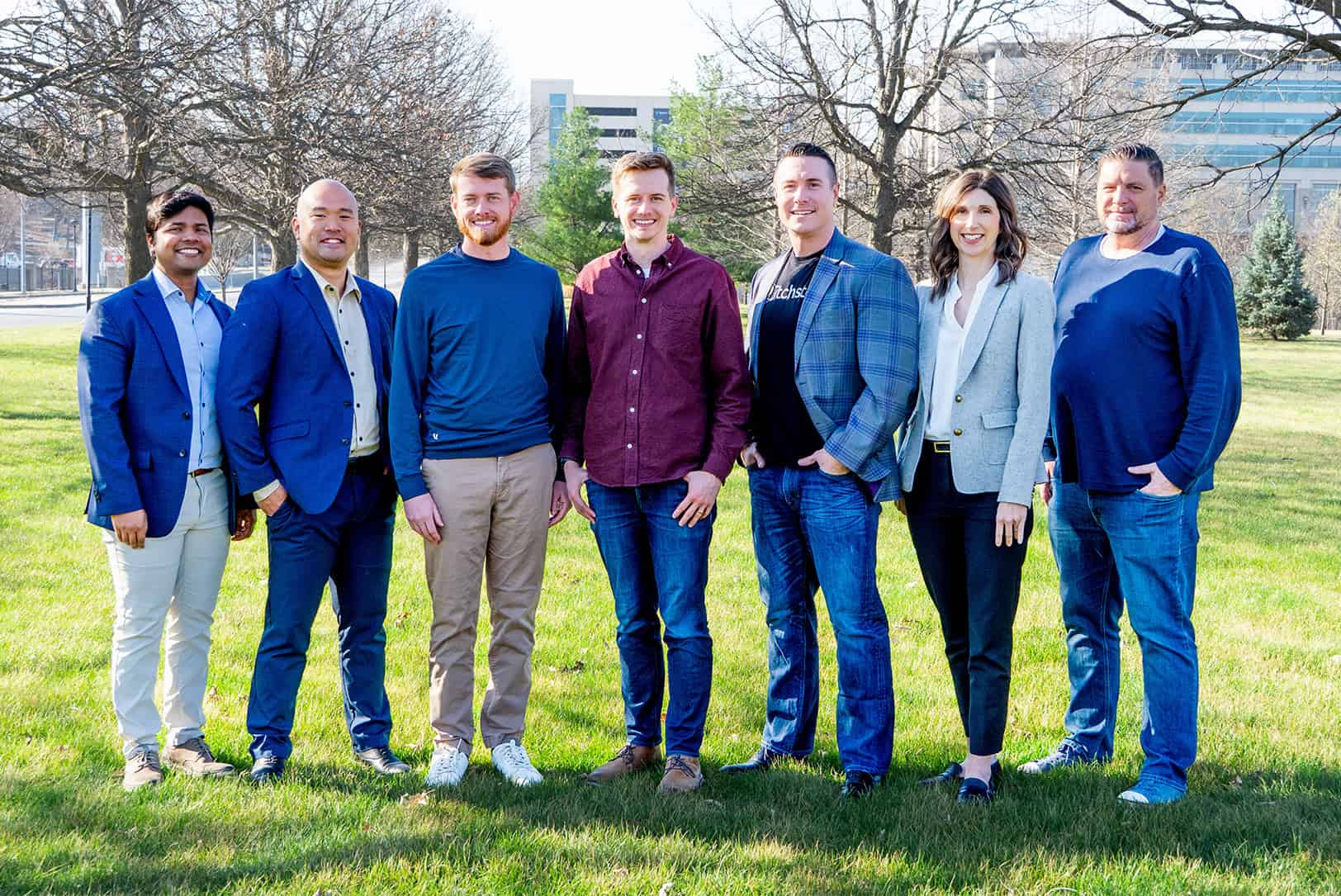
DETROIT — A mobile-first reentry platform targeted exclusively for wrongfully convicted individuals can’t bring back stolen time after their exoneration and release, said Dylan Carnahan, but the Kansas City-built technology — co-designed with exonerees themselves — offers renewed independence in the palm of users’ hands.
A Feb. 11 launch event in Detroit alongside the Organization of Exonerees (OOE) is expected to introduce the app to dozens of exonerees, ultimately helping them turn overwhelming post-exoneration challenges into clear, manageable steps.
The app centralizes access to critical resources such as food, shelter, financial guidance, mental health services, and peer support, while allowing exonerees to request help in real time through a simple, intuitive interface built for users who may be new to technology, said Carnahan, a Kansas City developer and podcast host who began work on the app more than a year ago with his technologist brother, Alex Provenzano.
“I feel a tremendous amount of gratitude and non-hubristic pride in what we’ve accomplished,” Carnahan told Startland News. “It has taken intense collaboration with the exoneree community to develop and implement software that provides genuine utility to the men and women of this nation who have been wrongfully incarcerated.”
Since 1989, there have been nearly 3,700 documented wrongful-conviction exonerations in the United States, according to the Detroit-based Organization of Exonerees. Michigan ranks among the states most affected, with over 300 exonerees statewide, the group reported, and Wayne County alone accounting for more than 100 — one of the highest totals of any county in the nation.
Despite these numbers, few tools exist that address the unique reentry challenges exonerees face after release.
“It’s been eye-opening to realize that the only real obstacle we faced is a willingness to take action and it’s powerful to see how simple conversations can evolve into meaningful change,” said Carnahan, who first began exploring the scope of exonerees’ challenges after interviewing Marvin Cotton Jr., who spent 19 years, 7 months, and 12 days wrongfully imprisoned for the “Simple Questions Podcast.”
“Wrongful conviction doesn’t end when you’re exonerated,” said Cotton. “It shows up when you’re trying to find housing, open a bank account, or get mental health care. This app creates a one-stop space where exonerees can ask for help, connect with peers, and access resources designed specifically for us.”
Carnahan began working closely with OOE, where Cotton serves as vice president and treasurer, to translate exoneree lived experience into a practical digital system. Provenzano led the platform’s architecture and backend systems, while Carnahan developed the user-facing application and supported deployment, onboarding, and training.
“Developing this platform with my brother has been a defining chapter in our lives,” Carnahan said. “It’s a rare privilege to work with someone who combines an exceptional technical background with a genuine heart. There isn’t another person on earth I’d rather spend thousands of hours working with than Alex. The level of built-in trust we have is exactly what has allowed us to move so fast.”
Equally critical, he said, OOE members — including Kenneth Nixon, Eric Anderson, Anthony ‘Ace Law’ Legion, Darrell Siggers, and Leon Benson — participated in feedback sessions, beta testing, and early-use walkthroughs that directly shaped how service requests, educational tools, and guidance features function in real-life situations.
The platform functions as a centralized support system, filling a long-standing gap in services for people who were wrongfully incarcerated. It not only connects users to help, but also elevates their needs and perspectives. Core capabilities include:
- Service request system: Exonerees can request assistance (housing, transportation, legal aid, and mental health) and track progress in real time.
- AI-guided support: Helping users navigate next steps, understand key information, and identify relevant resources based on their needs.
- Educational hub: Modules on technology literacy, relaxation techniques, and other core reentry topics.
“This is about closing the gap between freedom and stability,” said Kenneth Nixon, co-founder and executive director of OOE. “Too often exonerees walk out of prison with nothing but the clothes on their back and no roadmap for what comes next. This app was built to meet people where they are and give them immediate access to real help, without shame, confusion, or delay.”
The design emphasizes simplicity, color-coded navigation, and ease of use, ensuring accessibility for people with limited technology experience, he added.
“This wasn’t a tech project looking for a cause,” Nixon added. “This was exonerees naming what they needed, and technology following their lead. That’s what makes it powerful.”
The app is exclusive to exonerees and will initially roll out in Michigan, with plans for future expansion nationwide.
“Our impact starts with our pilot launch in Detroit, where we are using this platform to streamline and standardize the reentry process,” said Carnahan. “While Detroit is our first chapter, the architecture is already built for national scale. On Day 1, we expect dozens of exonerees to leverage the platform to request services and access resources, but the system is engineered to handle thousands. By proving the model here, we are validating a blueprint for nationwide replication. We are moving fast to learn from this launch and refine the experience, but the foundation is already in place.”