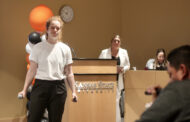





A federal initiative designed to break down modern barriers in high-demand, high-wage industries also honors the historic legacy of women in the workforce, said Karolyn Dreiling, announcing a $680,000 grant to help Great Jobs KC boost apprenticeships.

“This grant is a game-changer for women in our community who are ready to break into industries where they have historically been underrepresented,” said Dreiling, associate vice president of development at Great Jobs KC. “By providing tuition-free training and holistic support, we aren’t just filling jobs — we are creating pathways to financial independence and life-changing careers that pay $45,000 or more.”
The two-year funding from the U.S. Department of Labor’s Women in Apprenticeship and Nontraditional Occupations (WANTO) program is expected to empower Great Jobs KC’s efforts to provide 100 women with the specialized training and soft skills needed to thrive in fields like advanced manufacturing, construction, and commercial truck driving (CDL).
Great Jobs KC, a Kansas City-based nonprofit also known through its KC Scholars brand, drives impact through one-to-one support focused on ensuring low- and modest-income individuals achieve family-sustaining careers.
The WANTO-backed initiative — a step toward Great Jobs KC’s broader mission to move 50,000 Kansas Citians into family-sustaining careers by 2032 — features a three-pillar strategy for economic empowerment:
- Skills training and certification — Recruitment and training for 100 women in pre-apprenticeship and credential programs for manufacturing, construction, and CDL.
- Wraparound support — Removing barriers to success through soft skills workshops (stress and time management) and essential services, including childcare, transportation, and equipment assistance.
- Employer technical assistance — Partnering with local companies to transform organizational cultures, making them better equipped to recruit and retain female talent.
The project aims for high impact, with a goal of 80 percent of participants completing their training and securing employment in jobs paying at least $45,000 annually with benefits, Dreiling said.