



The Greenline Foundation is taking a layered approach to economic growth on Kansas City’s east side, Ajia Morris said, connecting entrepreneurship, real estate, and access to capital in ways designed to last.

At the center of that work is the Community Business Academy, a 12-week program that gives entrepreneurs practical tools, financial structure, and direct pathways to funding. The Academy reflects The Greenline Foundation’s broader mission to expand ownership and opportunity in communities that have long been overlooked, she explained.
“Because land is a fixed asset, it’s not going anywhere,” said Morris, founder of The Greenline Foundation. “Historically, people of color, poor people, low- to moderate-income people haven’t been able to access ownership of real estate, either residential or commercial.”
That reality initially shaped Greenline’s focus on housing and shared ownership. Over time, business leadership became a natural extension of that work.
“Entrepreneurship is the second largest way,” said Morris. “Intro, the Community Business Academy.”
Click here to apply. The next deadline is Feb. 27.
From hustle to structure
The Community Business Academy operates through a partnership with national nonprofit Rising Tide Capital, bringing a proven curriculum into the Kansas City ecosystem, Morris said.
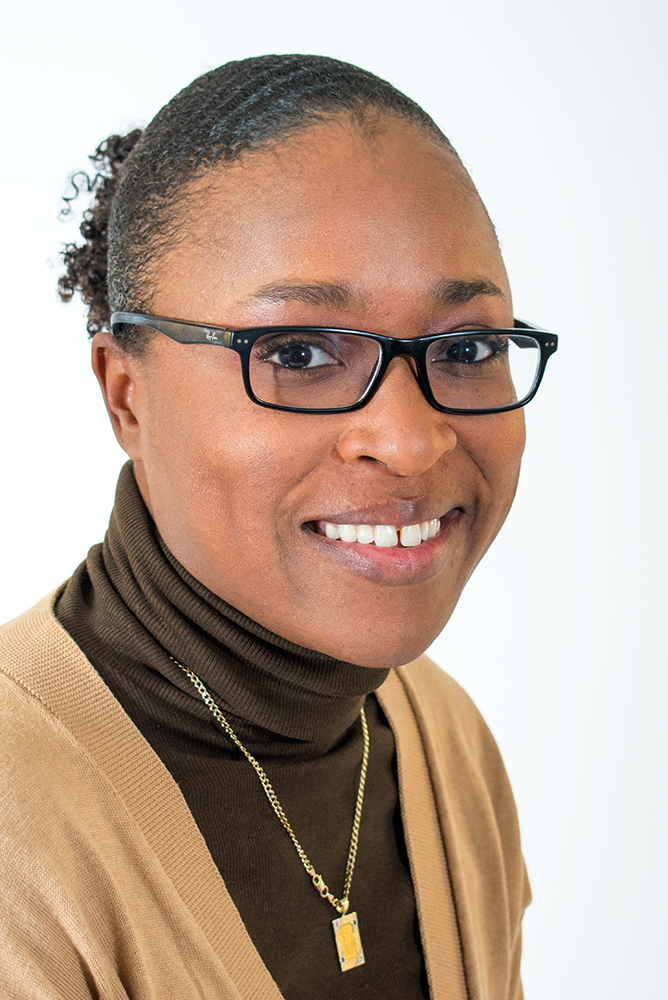
Marchelle McAfee, Community Business Academy, Greenline Foundation
The program focuses on hands-on business planning, operations, and financial management with classes led by Kansas City entrepreneurs who understand the realities of operating in the market.
“What really sets us apart is that it is taught by practitioners,” said Marchelle McAfee, program lead for the Academy. “We have gone out into the community, and we find local business owners who have had success in Kansas City.”
The Academy is designed for entrepreneurs who have already made sales and are ready to move past survival mode.
“That three- to five-year mark, that’s when you know what you don’t know,” said McAfee.
Entrepreneurs can attend info sessions to learn more about the Academy.
Getting capital-ready
Access to capital plays a central role in the Community Business Academy’s structure. Leaders see financial readiness as one of the biggest gaps holding small businesses back.
“I have never once been able to access capital,” said Morris, reflecting on more than two decades as an entrepreneur. “It doesn’t matter how good my books look; there is always something else that has been a barrier.”
Through the Academy, Greenline connects participants to community development financial institutions and traditional banks, helping entrepreneurs prepare for real lending relationships.
“The goal is to show banks and traditional banks that these people have their books together,” said Morris. “They have been able to manage these funds and now it’s time to take it to that next step.”
Data from Rising Tide Capital shows why that preparation matters. Two years after intake, entrepreneurs see an average 77 percent increase in business income, with household income rising by about 56 percent.
“We don’t just teach, we package entrepreneurs for capital,” said McAfee.
East side focus
The Community Business Academy is rooted in The Greenline Foundation’s work in the Oak Park neighborhood and surrounding east side communities — where the organization is also active in housing, commercial development, and neighborhood partnerships.
“There is no community development without small businesses,” said McAfee. “There is no push and drive to greatness without a strong backbone in our community.”
That thinking shows up in physical space as well. Through projects like Benton House and the planned LAB development at 36th and Benton, Greenline is pairing the Academy with subsidized commercial space and entrepreneur-in-residence opportunities.
“Having space to sell or to provide your service is a premium,” said Tamara Chestnut, a strategic partner with The Greenline Foundation. “Is that a cost that you can afford?”
By lowering rent and space barriers, Greenline aims to keep businesses rooted in the neighborhoods they serve.
Making room for new kinds of entrepreneurs
The Academy also reflects a broader view of what entrepreneurship looks like today, especially as the creator and influencer economy grows.
“When people think of small businesses, the influencers get left out,” said McAfee. “It is very, very important to us, because we are moving to an influencer economy.”
Many creators build audiences before learning how to run a business behind the scenes.
“That’s how we get the word out,” said McAfee. “It’s visible, it’s measurable, it’s a whole new economy.”
The first CBA cohorts are expected to include between 20 and 50 entrepreneurs, with multiple cohorts planned each year. Leaders say success will show up in stronger businesses, deeper community roots, and more entrepreneurs ready to grow with confidence.
“We are holistic community builders,” said Chestnut. “We want to look at the fullness of who we’re called to be in serving.”