



Editor’s note: This story was first published by Tech Venture Studio at the University of Missouri-Kansas City.
Click here to read the original story.
Through the RooLink Digital Healthcare Sprint, three University of Missouri-Kansas City graduate student-led teams are developing digital healthcare-related innovations as a major step on the path toward commercialization. Teams may apply for up to $10,000 in project award funding from Digital Health KC to build prototypes, validate their concepts and develop compelling commercialization plans.
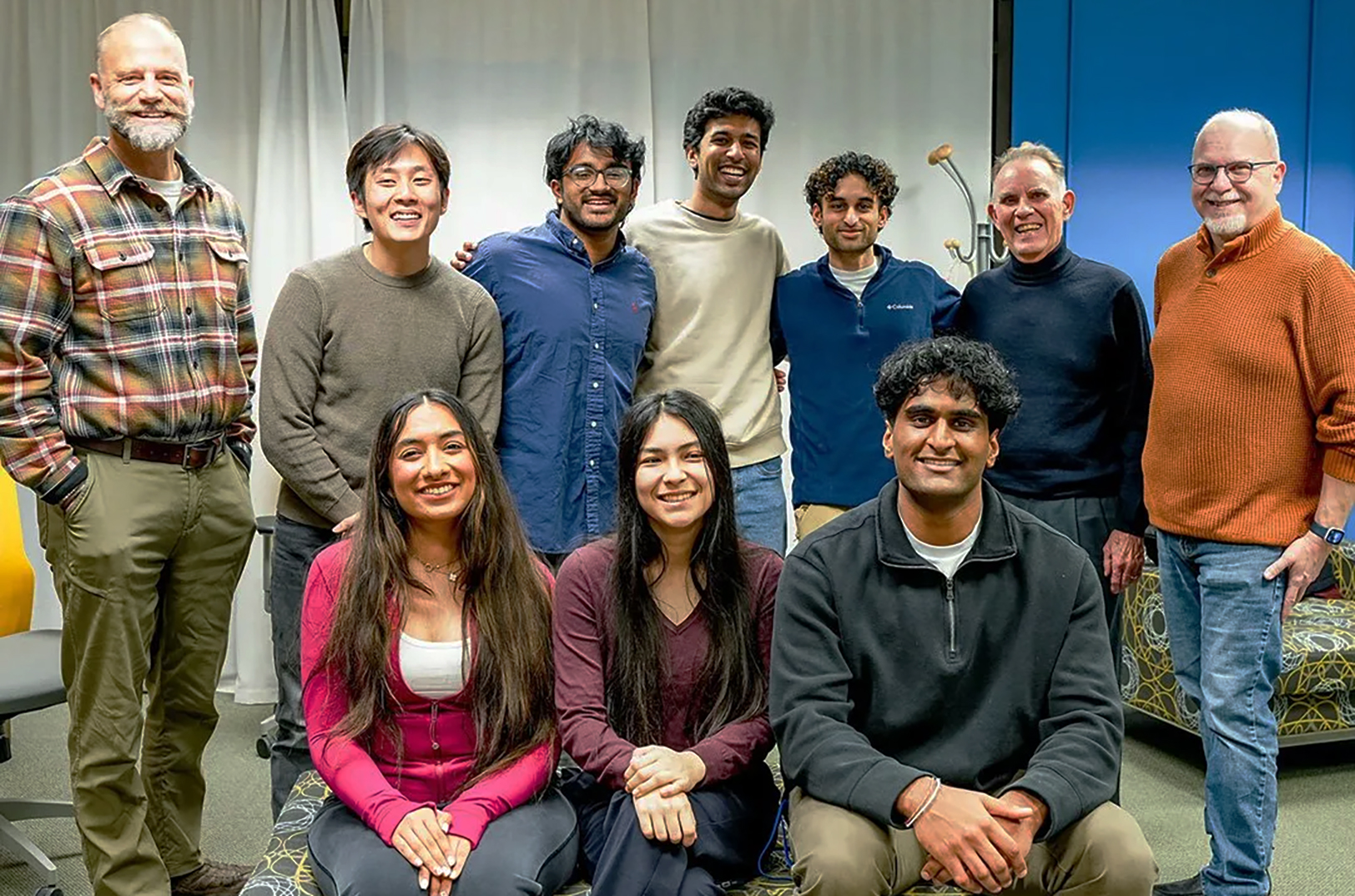
Launched at a kickoff meeting this month, the four-month Sprint is a focused, extracurricular innovation accelerator that prepares the teams for a major pitch competition this Spring. Each interdisciplinary team will develop an early-stage digital healthcare-related technology through early April.
RooLink identified and curated the innovation projects in advance. Funding from Digital Health KC supports the teams’ preparation for the student pitch competition.
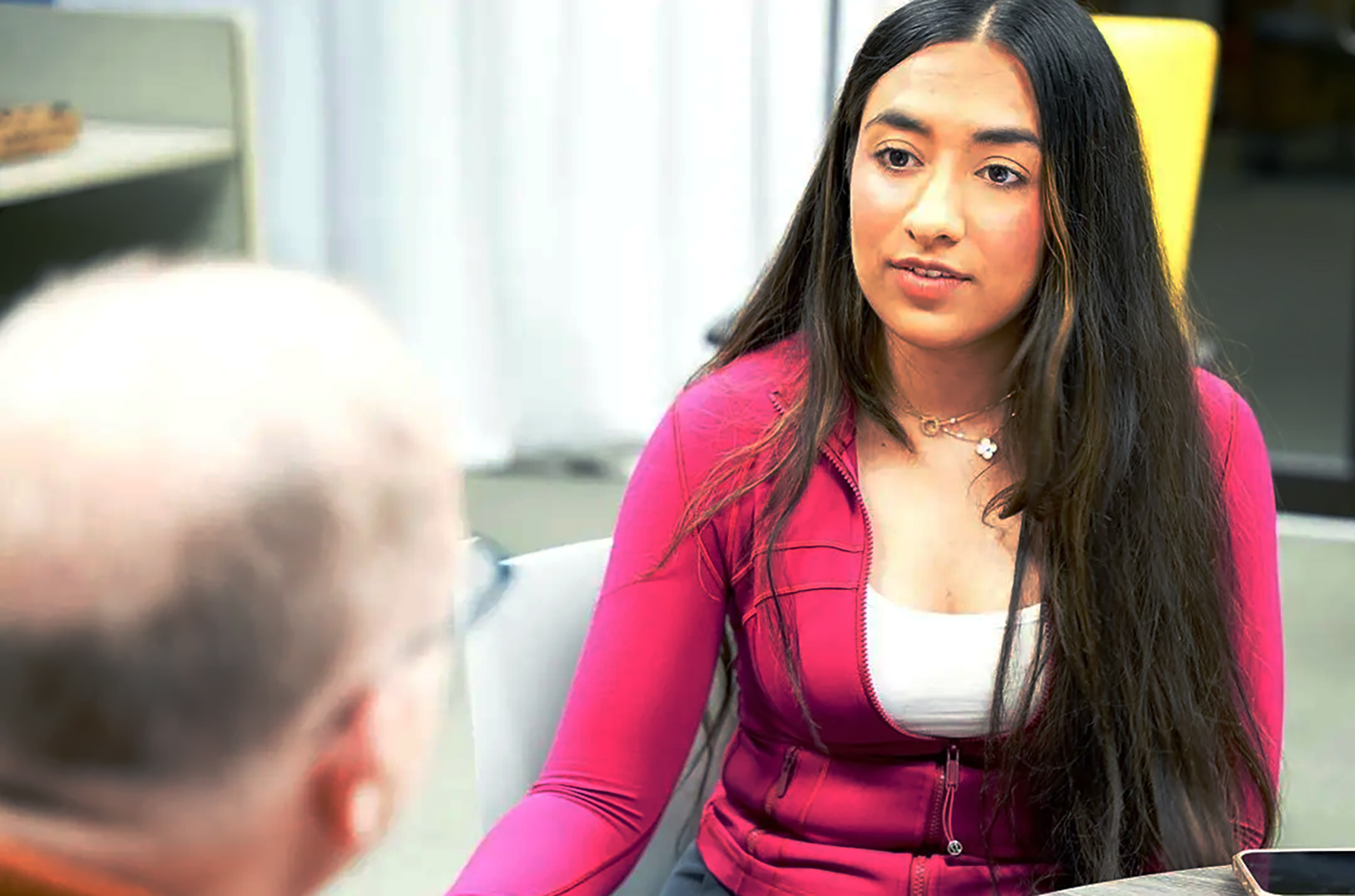
UMKC graduate student Ananya Sharma of Cyclea; photo by Pete Dulin, Tech Venture Studio
About the teams
In the Fall of 2025, six teams of students competed in RooLink’s self-initiated pitch competition. The top three teams – Cyclea, Kairos, and Geometry Neuroscience – were selected to participate in the Sprint.
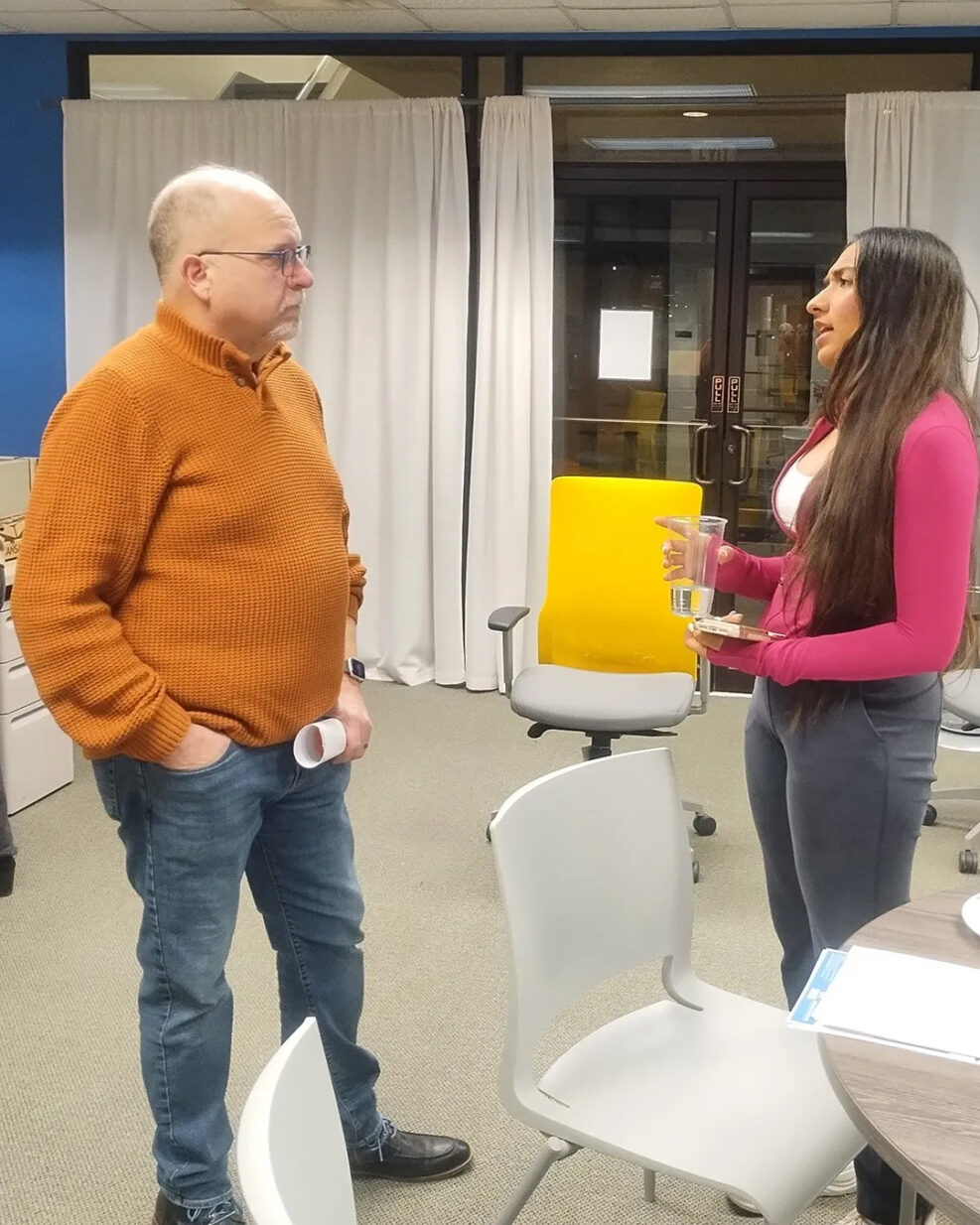
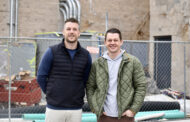
Mentor Jeff Blackwood and Ananya Sharma of Cyclea; photo by Pete Dulin, Tech Venture Studio
Led by UMKC graduate student Ananya Sharma, Cyclea is a clinically grounded digital platform for menstrual-phase–based symptom tracking and education across reproductive, gastrointestinal, and pelvic health.
Sharma’s observations about her culture and her drive to provide more accessible healthcare spurred motivation to develop Cyclea. “Growing up as a South Asian daughter, women’s health was not discussed. I’ve been passionate about women’s health and the stigma of not talking about it. Cyclea is a passion project to contribute and make a true impact on women’s healthcare. Women of color especially need to get early diagnosis,” said Sharma.
Geometry Neuroscience: ReThrive, The Personal Stroke Companion seeks to develop an AI-based app that combats inaccessibility to neurological services in the US. Studies have shown that almost half of the states in the U.S. are considered to be “neurology deserts” — a geographic area with insufficient access to neurologists and other specialized providers — in terms of healthcare. The team consists of UMKC graduate students Samuel Kim, Zubin Mathew, Hrushi Saranu and Genova Mongalo.
“Each of us have had clinical rotations where we see patients’ cognition and physical ability decline after a stroke because they cannot get to an appointment,” said Saranu. “It’s an express concern with physical care, especially in rural areas where there’s a neurology desert.” We want to use current technology, such as AI and large language models, to give patients more control over their care and be an advocate for themselves.”
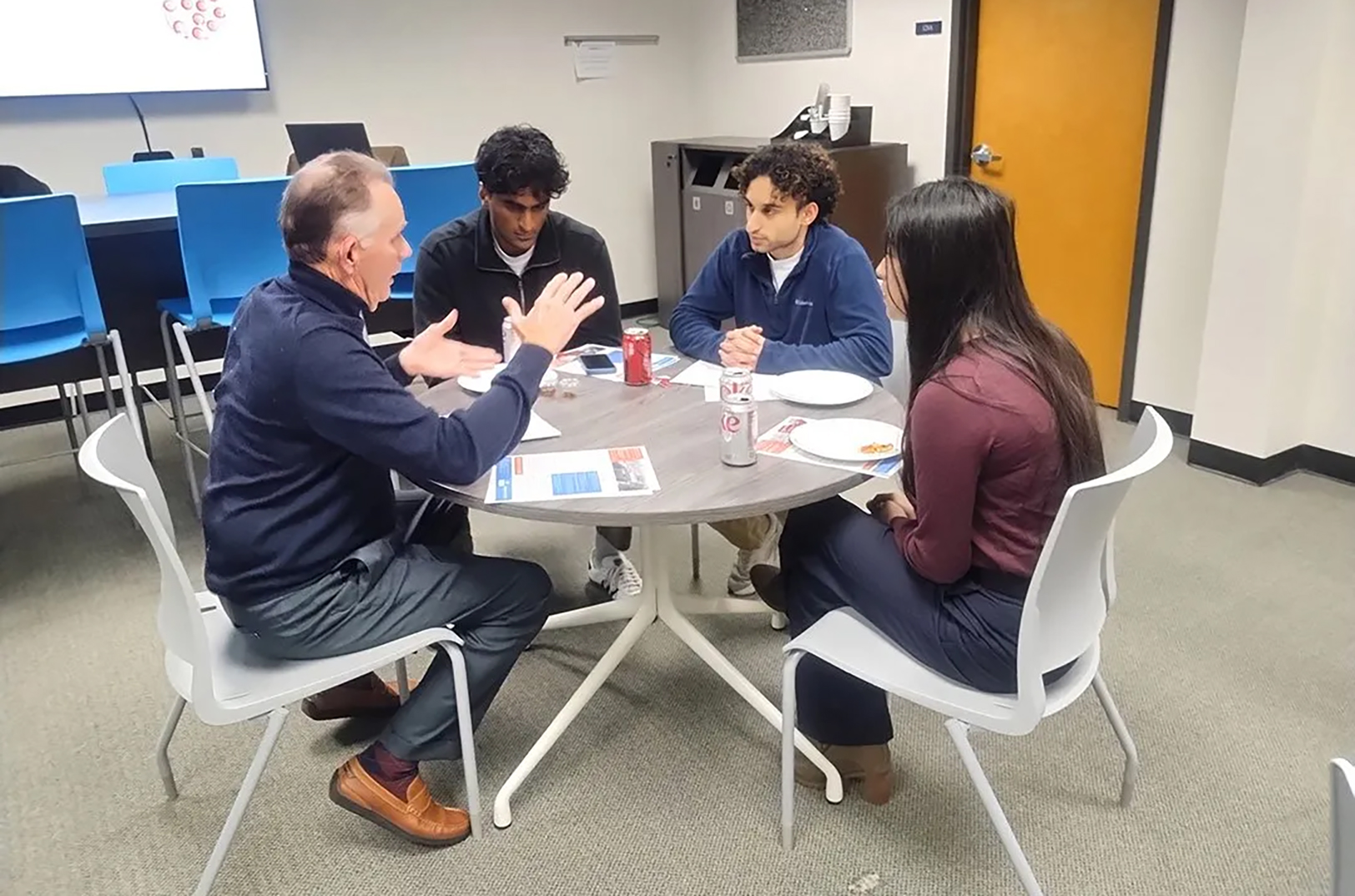
Members of the Geometry Neuroscience team meet with advisor Innovation Transfer President Jim Baxendale; photo by Pete Dulin, Tech Venture Studio
“There are over 800,000 patients who survive strokes in the United States annually. One-third of these people in the country have trouble getting neurology care,” said Mathew.
Graduate students Praneet Khanna, Christina Cacoulidis, Sai Nallajennugari and Brandon Park of Kairos have developed an AI-powered home rehabilitation platform that helps patients perform outpatient physical therapy correctly using real-time motion tracking and feedback.
“We’re focused on expanding healthcare access to post-surgical care. There is a deficit when it comes to people going from home to clinics to access physical therapy. We want to increase that access,” said Cacoulidis. “Rather than access physical therapy at the primary care clinic, patients prefer to receive care at home. Also, at some safety-net hospitals, patients face barriers to healthcare.”
RooLink, cofounded by several students at the UMKC School of Medicine in late 2024, is a healthcare-focused incubator that connects entrepreneurship-minded healthcare students with a team of physician mentors. The Digital Healthcare Solutions Sprint advances RooLink’s goal of providing “structured pathways for students to turn their healthcare innovation ideas into reality.” The sprint also gives students hands-on startup experience in healthcare innovation and strengthens UMKC’s pipeline of commercialization-ready ventures.
“Programs like RooLink reflect the kind of initiative we want to see from our graduate students—curiosity paired with a willingness to engage the real-world challenges of healthcare,” said Alex Norbash, MD, Dean of the UMKC School of Medicine. “These students are thinking beyond the lab or the classroom and asking how their ideas can create impact. RooLink gives them exposure to experienced mentors, structured guidance and a clearer view of what it takes to move an innovation toward patients and the marketplace. We’re proud of their ambition and grateful for the partners who are helping make this possible.
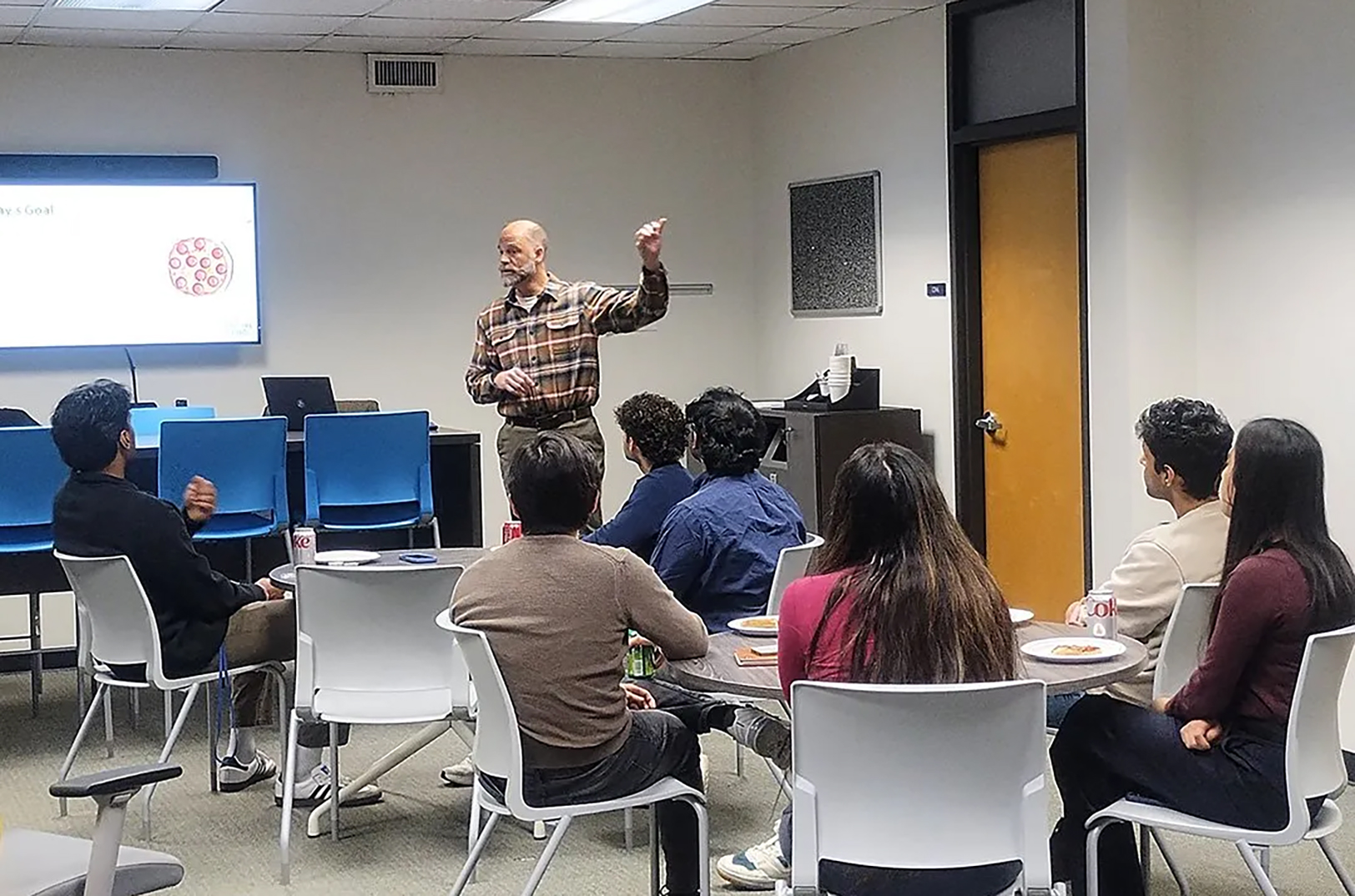
UMKC Bloch School Assistant Teaching Professor Mike Farmer discusses the RooLink Digital Health Sprint with the Kairos, Geometry Neuroscience, and Cyclea teams; photo by Pete Dulin, Tech Venture Studio
Prepare to pitch
Further, teams in the sprint will showcase their talent in April 2026 at the Regnier Venture Creation Challenge (RVCC), the premier student pitch competition in Kansas City for aspiring entrepreneurs. The sprint teams and other competitors will present their business ideas to esteemed judges, industry experts and potential investors.
Providing key support during the sprint, a business mentor is assigned to each team. Program mentors include UMKC Office of Commercialization Director Jeff Blackwood, UMKC Bloch School Assistant Teaching Professor Mike Farmer and Innovation Transfer President Jim Baxendale.
“This sprint is about meeting motivated graduate students where they already are and helping them turn strong ideas into viable digital health ventures,” said Blackwood. “These students have shown real initiative, and RooLink gives them a structured, mentor-supported path to build concepts with genuine market potential. The alignment between UMKC graduate talent, experienced business mentors, support from the Digital Health KC team, and visibility through the Regnier Venture Creation Challenge creates a rare opportunity—one that can realistically lead to startup formation or licensing outcomes. We’re excited to see where these teams take it.”