




Lizz Whitacre is allergic to pets — the Midwest founder wasn’t allowed to have dogs or cats as a child — but not the perseverance to save them. Her new-to-Kansas City startup is now wagging momentum as she helps mom-and-pop boutique animal shelters streamline operations to boost adoptions.
“The journey has been lifelong, quite literally,” explained Whitacre, founder of Pawlytics, describing a vision that extended beyond her personal health limitations once she learned the life-and-death consequences facing animals in need.
“As a little 5 or 6 year old, I remember checking out a book from the library on shelter pets and reading the word ‘euthanasia’ for the first time,” she said. “And that’s when I was like, ‘Oh my gosh, this is my life’s mission.’ I truly had always believed, up to that point, that every animal left with this very happy adoption story, and that’s not the case.”
Whitacre — a Minnesota native who relocated to Kansas City in summer 2025 — volunteered at her local animal shelter during high school, started her own foster-based rescue, and even tried her hand at opening a cat cafe in college. But the opportunity to truly scale her impact didn’t arrive until Whitacre launched Pawlytics, she said.
Pivoting to tech while still a student at the University of Nebraska-Lincoln in 2019, Pawlytics now helps more than 500 organizations in 14 countries. The software upgrades foster-based animal rescues and shelters to streamline their administrative operations, including pet record and partner organization management, payment processing, creating custom forms and contracts, and tracking adopters, fosters, and volunteers.
A particular vertical in need of the startup: smaller-scale operations that likely are a could-be pet’s last hope for adoption.
“When shelters get oversaturated and over-full with animals and they don’t want to euthanize them, they ship them out to different mom-and-pop shops,” Whitacre explained. “And it was interesting to me that these groups make up the bulk of adoptions that are happening, but they didn’t have any technology companies servicing them.”
Pawlytics hit profitability in 2024 and has made 15 times its revenue since 2022 — in part thanks to its ability to help such rescue operations integrate with adoption websites and microchip registries, as well as getting them deals with pharmaceutical, microchip, and pet DNA companies, she continued. Adopters also have access to pet insurance and medicines like flea and tick control through the platform.
“Our customer set is always growing,” Whitacre added. “Actually, winter is a really heavy sales time for us because a lot of organizations are resetting what their operation processes are going to be for the upcoming year.”
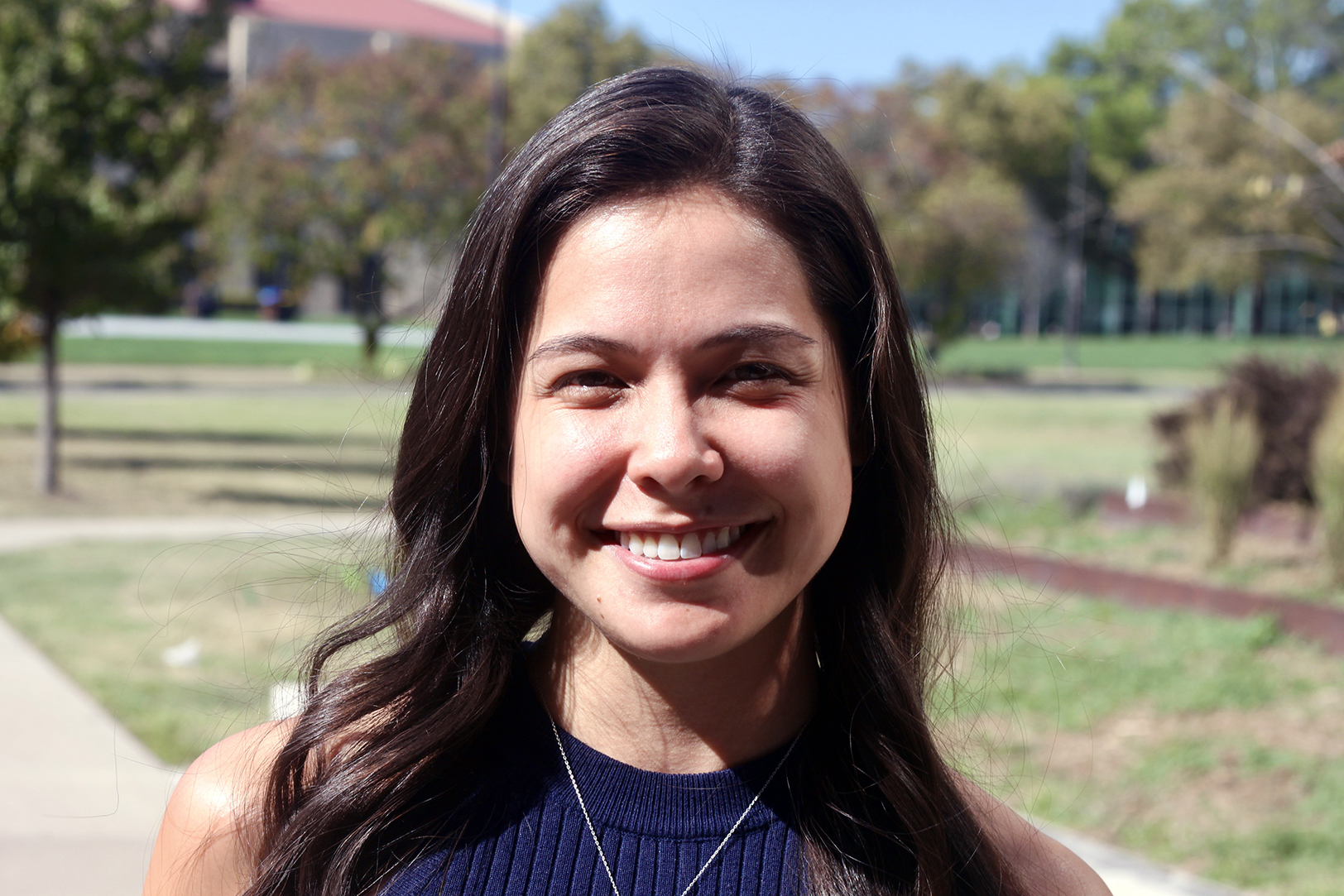
Lizz Whitacre, Pawlytics; photo by Nikki Overfelt Chifalu, Startland News
Adopting a new approach
Whitacre — a Pipeline Fellow and NMotion Accelerator alum — rescued her first dog while volunteering at a shelter in high school, she recalled, later taking over the operation’s marketing, fundraising, and large-dog programs, even raising $7,000 to help fix an HVAC unit.
“That was my first taste of, ‘Oh my gosh, I can do this; I can make an impact,” she noted.
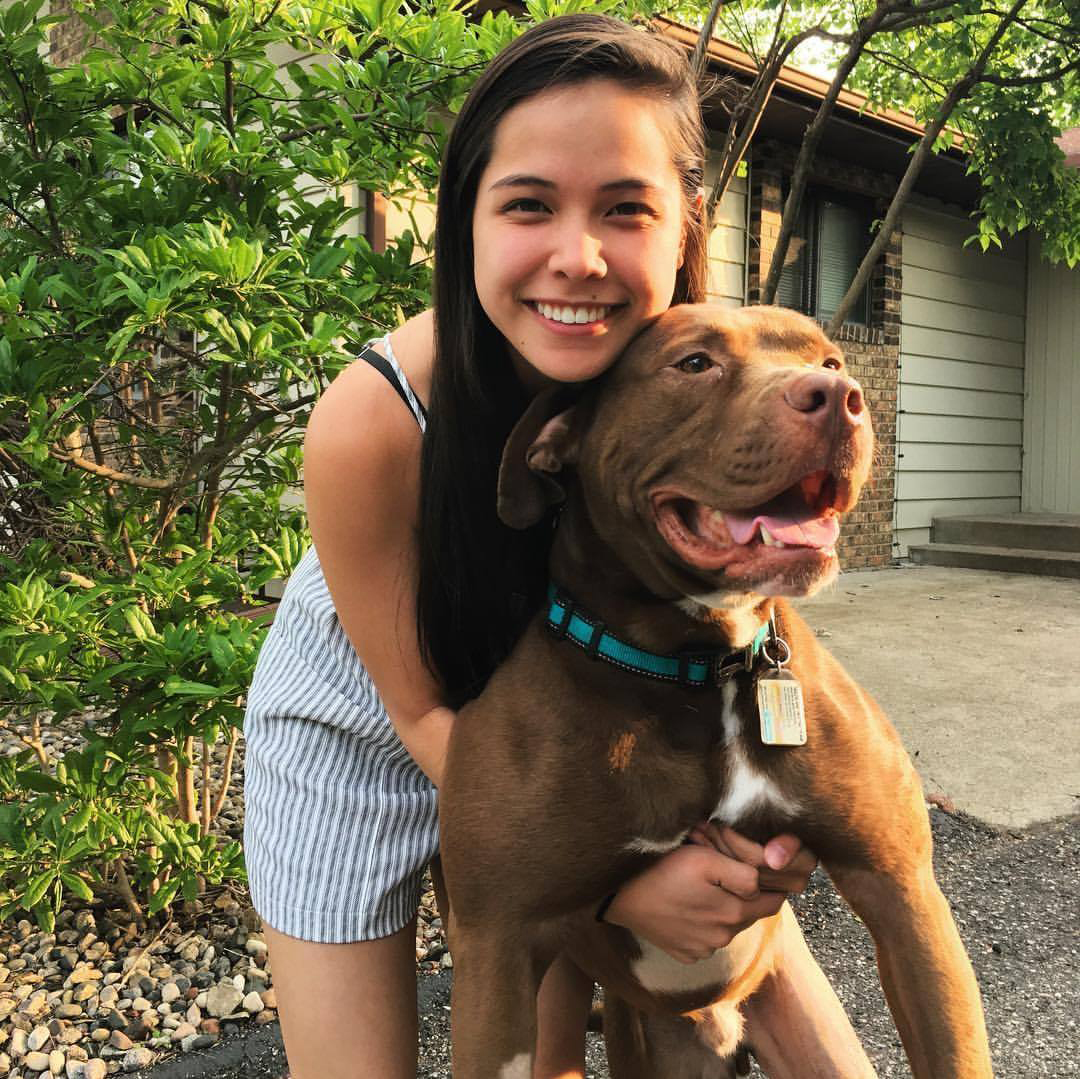
Lizz Whitacre, founder of Pawlytics, with a rescue dog. She’s learned to adjust to her pet allergy in furtherance of her mission to save animals from euthanasia; courtesy photo
After moving to Nebraska for college, Whitacre realized she was depressed because she wasn’t working with animals. Her attention turned to launching a No Kill Advocacy Club — a personal coping mechanism that eventually had more than 350 members volunteering and raising funds for local animal shelters. Its success later motivated her to start her own foster-based animal rescue, Rescue Theory.
“After the first year of doing that, I had only rescued about 60 some animals, which the impact felt very low,” Whitacre recalled. “It was like very high effort and very low impact. I remember thinking, ‘There’s got to be something more innovative that can have a higher impact.’”
Next came her ambitious plan to open a cat cafe in Lincoln, she said. A campaign to raise $180,000 as a nonprofit even made the local news; but ultimately earned only $30,000 toward her goal.
“At that point, I got really sad again, cried for a solid week, hid in my room,” Whitacre said. “I was so embarrassed because it was so public. I honestly had believed at that point that no one would ever trust me again because that was like my first venture. People gave me money, and it just didn’t work out.”
Her paralysis amid self-doubt, however, proved short-lived.
While serving in student government, Whitacre met University of Nebraska-Lincoln computer science students who opened her eyes to a new way of approaching her life’s mission.
“Like, ‘Wait a minute. There are other ways I can try to attack the problem; other ways to find impact that serves animal welfare,’” she added.
Whitacre first partnered with another student to create Family Pet Project, a platform for rehoming pets, she noted. While reaching out to about 400 shelters and rescues across the country to let them know about the platform, the facilities expressed the need for better internal operations.
“A lot of them were telling me about their existing software being antiquated and expensive with bad customer service,” she explained. “They couldn’t get a hold of people. There were rarely updates ever made to the systems. So I started doing more research into it at that point, and everything they were saying checked out.”
Their research propelled Whitacre to sunset Family Pet Project and start working on what would become Pawlytics.
“At the time, I was still so heartbroken,” she recalled. “I was about to graduate college. I was so heartbroken over so many of my ventures — very publicly — failing. And so I actually didn’t even give it a name. For a long time, I was just calling it ‘the rescue software.’”
Prototype to proven
After confiding in one of her professors that she didn’t want a normal day job upon graduation, he encouraged Whitacre to give her rescue software another six months; the professor believed it was a viable idea, she shared.
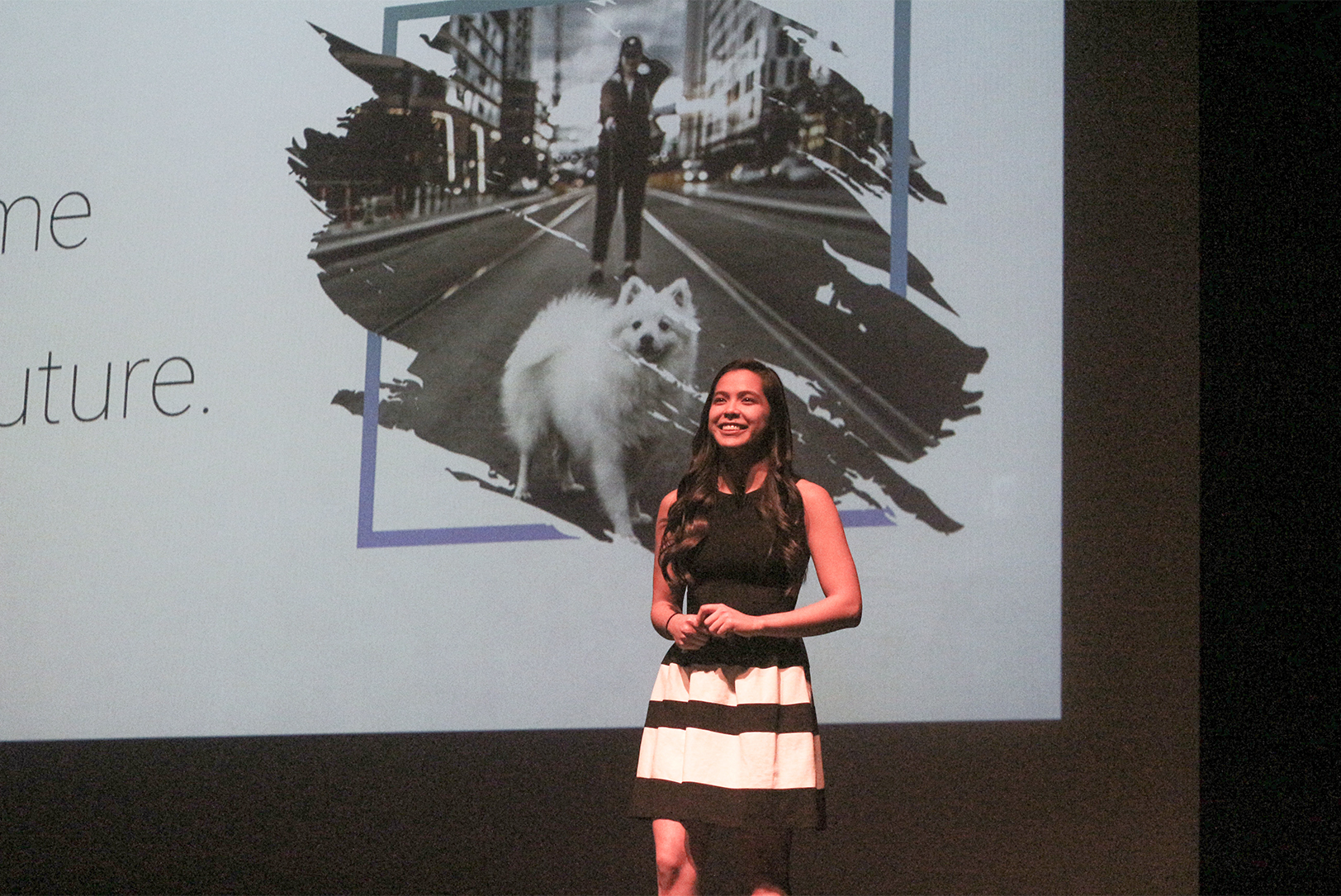
Lizz Whitacre pitches her rescue software during a demo day event; courtesy photo
Her new goal post: successfully reaching the final round of the New Venture Competition at the University of Nebraska-Lincoln; if Whitacre could reach it, she told herself, she’d keep the startup going after graduation.
She knew how difficult of a challenge it would be, Whitacre said. While she’d participated in the competition the previous three years, she’d lost in the first round each time.
Her software idea, however, broke the skid: she won the competition and $25,000.
“That’s exactly what I needed,” Whitacre said. “So I was able to take that money, start working on a prototype, and then I was able to apply for the NMotion accelerator. I got into NMotion, which gave me about $30,000. I took that collective money, went to the state of Nebraska to get a prototype grant, which essentially doubled my money. And then we built out our first prototype from there.”
Pawlytics signed its first customer June 1, 2019, and has exploded since then, Whitacre said, with its second most popular region — outside of the U.S. and Canada — in Australia and New Zealand. The startup’s data was also just included in a late 2025 study published by Shelter Animals Count.
“We’re the first study that’s specifically dedicated to studying foster-based animal rescues and their operations and their numbers,” she explained. “So it’s really cool and it’s really exciting. It’s great to be out there as a thought leader. That’s something that was always really important to me. This has been my area of expertise for a long time and it just took a lot of time and work and harassing the right people to get something really out there.”
What does success look like? Ending euthanasia
In 2026, the startup is diving deeper into logistics challenges within the animal shelter industry, Whitacre noted.
“Where we’re going next is really exciting,” she explained, “because truly, the CRM aspect of it wasn’t the thing that got me the most excited. We still see pets being euthanized. Every year right now, 6 million pets go into shelters and 600,000 of them are still being euthanized, which is atrocious to me. I entered this space to see a day in my lifetime where pets are not euthanized for space in shelters.”
A third of the pets in shelters are transferred to other organizations throughout the country where they are more likely to get adopted, she continued, but this is done with no data and no technology tools to aid in the streamlining of that process.
“So that’s the direction we are moving,” she added, forecasting a need for more connections and feedback as the startup pursues a potential funding round.
Change, however, doesn’t mean the Pawlytics team will abandon work on its original software, Whitacre said. They plan on adding a donor management platform and a portal on the consumer side — called PawAuthority — to offer a marketplace for adopters to have their pet subscriptions running through Pawlytics.
“We are trying to monetize that post-adoption spend,” she explained, “to take some of the cost spending off of the animal shelters.”
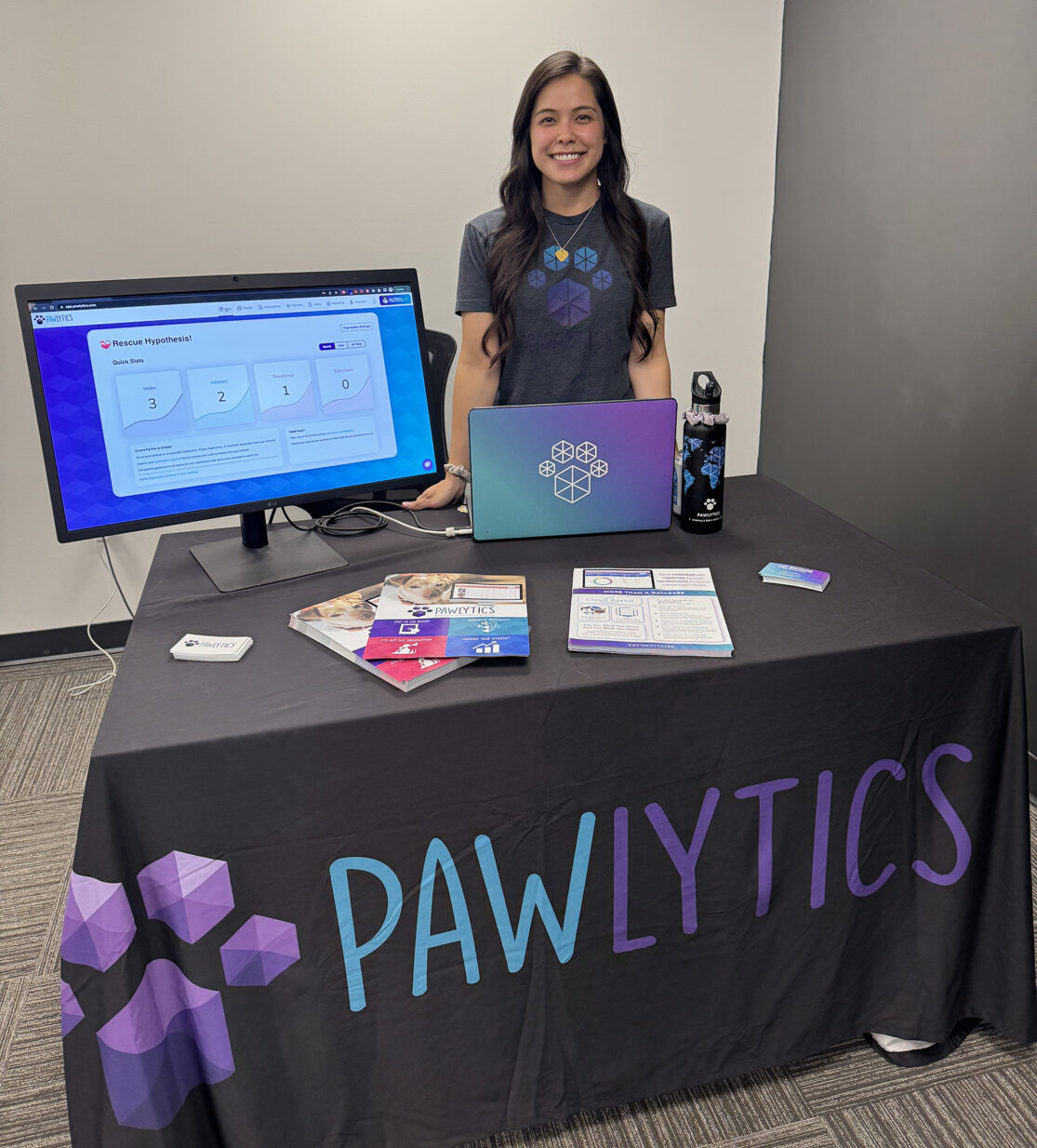
Lizz Whitacre, Pawlytics, presents her startup during the 2025 Startup Crawl in Kansas City; courtesy photo
Building next level
After a decade in Lincoln, moving to Kansas City — which she’d visited often for Pipeline programming and events — allowed Whitacre to step into the region’s Animal Health Corridor and an innovative startup ecosystem, she said.
The relocation gives her renewed inspiration and room to grow, she emphasized.
“I was already feeling a change on Day 1,” said Whitacre, who still operates her own foster-based rescue and has a couple of rental properties she leases exclusively to people with pets that might have trouble renting elsewhere. “It’s really been the people here introducing me to new ideas and new ways to think through the problems that I’m solving with my company. It’s just given me new perspectives, new ideas, new ways to shape how I speak about the company.”
“To get to be around more startup founders who are at that high level — where they’re raising bigger money, they’re solving bigger problems, they have more of a global impact — that’s been transformative for me here in continuing to get my business to the next level,” she added.