Summer funding pushes CarePilot to team hires, AI accolades, healthtech product launch
November 4, 2025 | Nikki Overfelt Chifalu
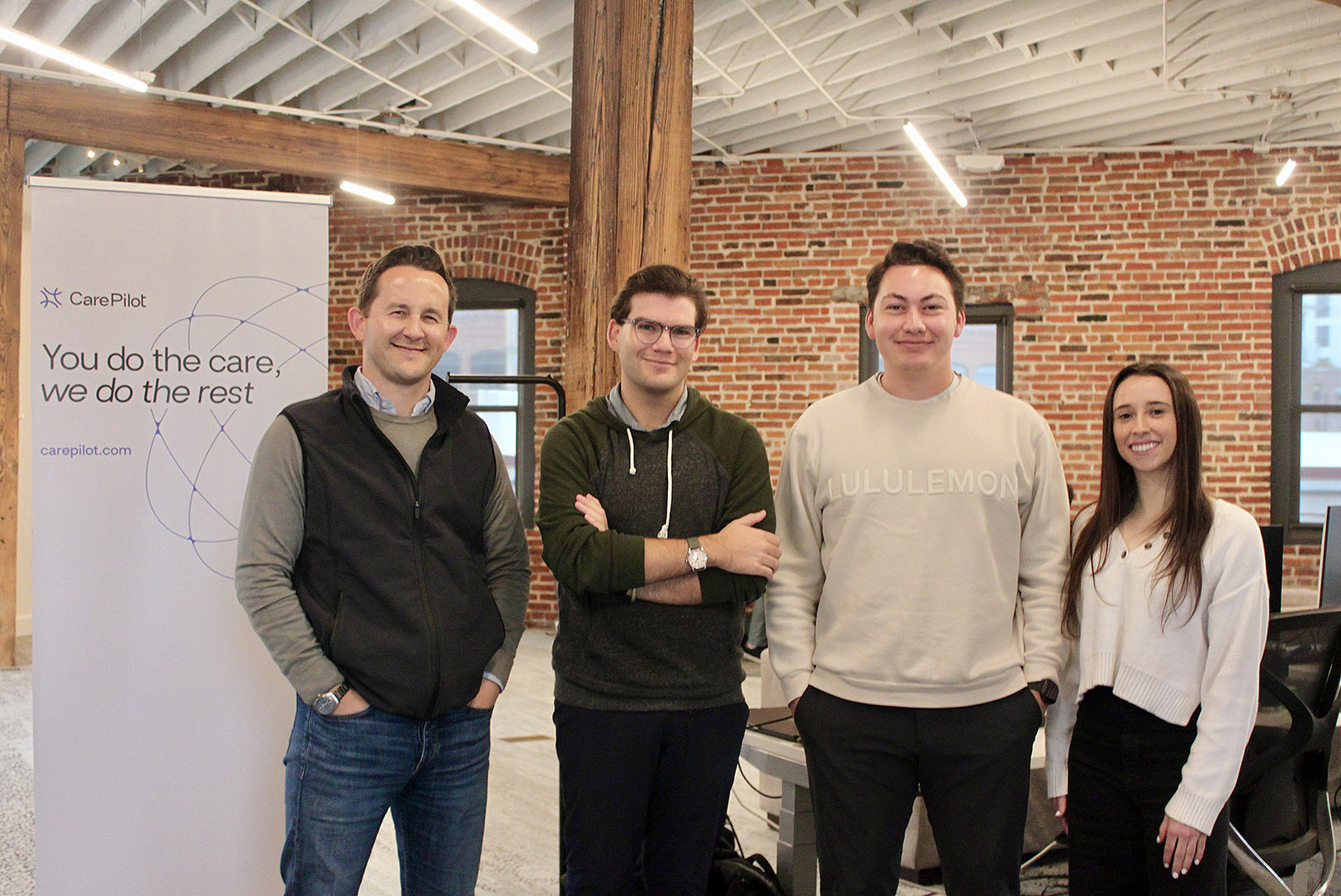
CarePilots team members Kyle Rall, Joseph Tutera, Tanner Held, and Audrey Pino in their new Crossroads office; photo by Nikki Overfelt Chifalu, Startland News
Fresh off its summer capital infusion, a Kansas City-built AI startup that helps doctors focus on patients instead of administrative tasks is earning industry recognition and dropping another new product, said Joseph Tutera, sharing credit for the milestones with behind-the-scenes talent.

“We have a young team and they don’t have the encumbrance of a prior way of doing things,” explained Tutera, founder and CEO of CarePilot. “They can come in and completely rethink how we organize a team in a world where any given engineer can be 50 percent more productive. That’s where CarePilot is really lucky.”
But it wasn’t luck that helped the Kansas City-based healthtech startup hit 100 billion in OpenAPI tokens processed — the building blocks of text for OpenAI models — earning a shoutout at OpenAI DevDay in October for being in the top 75 for overall utilization out of about four million developers on the OpenAI platform.
It’s an achievement reserved for very few companies, Tutera said, noting CarePilot was one of only two ambient AI companies to do it — and the only one in the Midwest.
“That validates our products,” he added. “We are continuing to see real product market fit.”
ICYMI: Investors laud emerging founder’s expertise as CarePilot logs $2.5M for AI healthtech tool
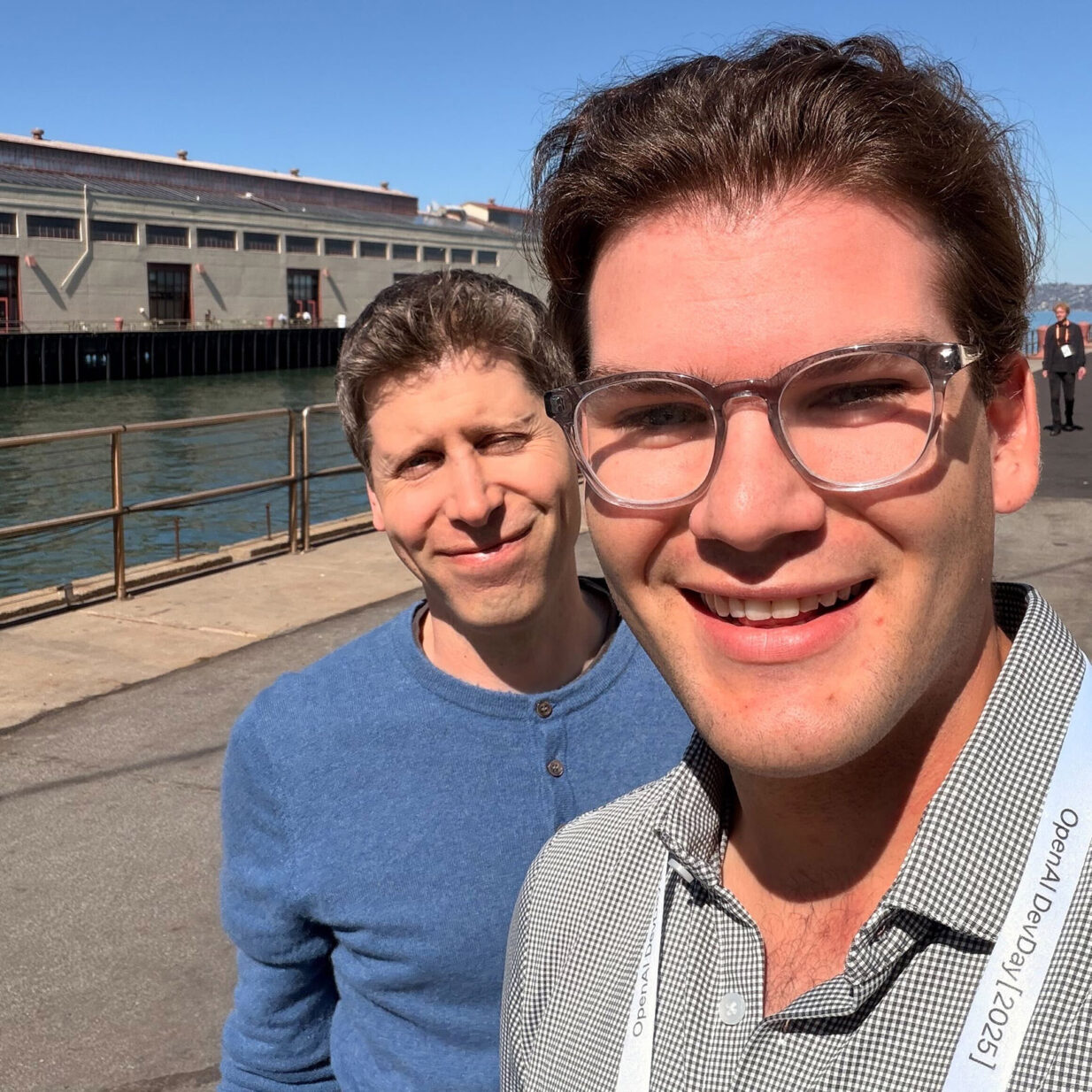
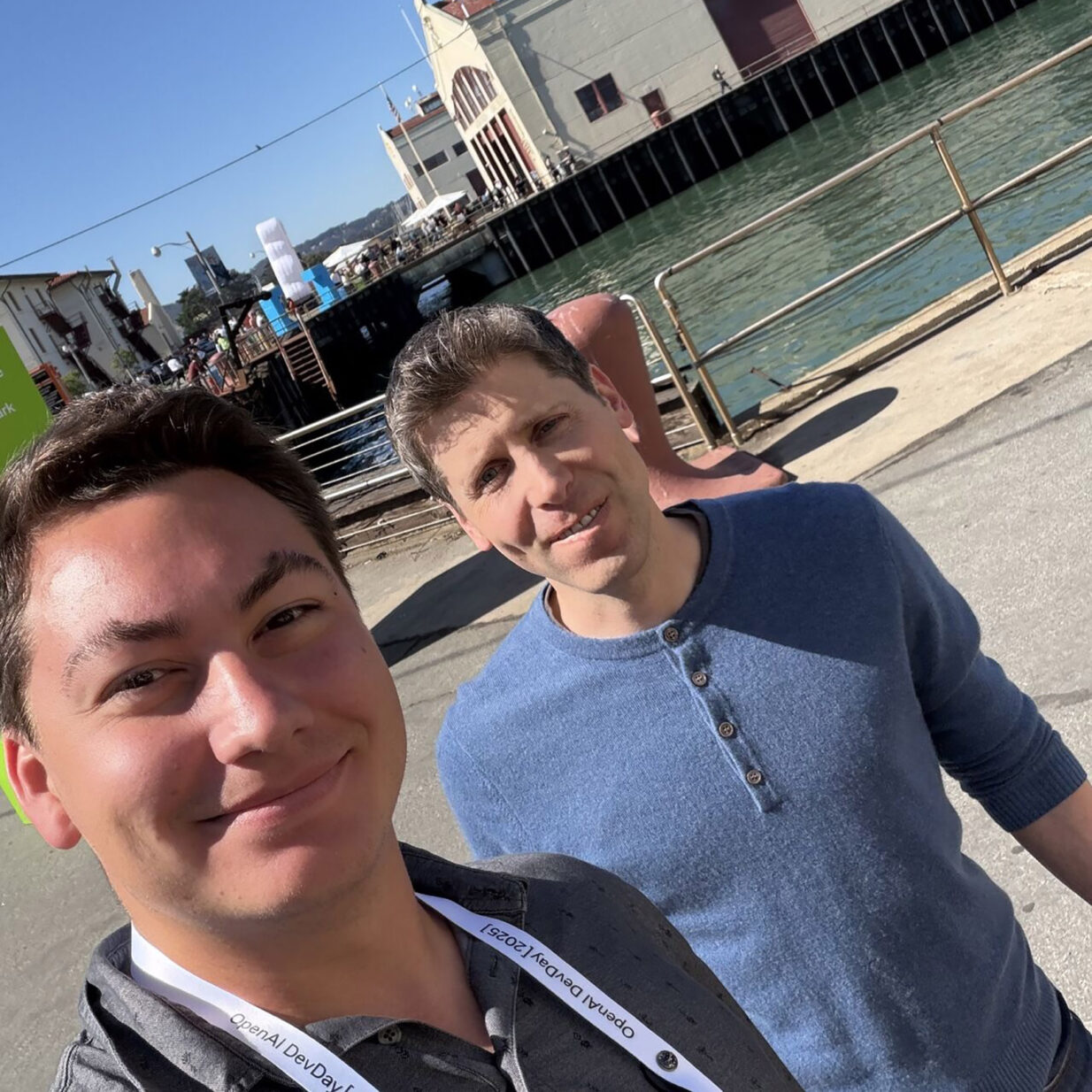
Following the previous launches of CarePilot’s AI notetaker and coding assistant for physicians, the team is preparing to drop an order entry assistant, and Tutera teased an upcoming exciting partnership that will be announced in the next few weeks.
“We’ll do the charting, we’ll do the ordering, we’ll do the coding. You go be a doctor,” he explained of the value to physicians behind the soon-to-launch efforts. “We’re one step closer to that when we release this product.”
The startup already offers the first AI-native clinical interface for Electronic Health Records (EHRs), providing a “touchless” experience that automates more than 90 percent of provider EHR time — streamlining administrative tasks and reducing burnout.

Joseph Tutera, CarePilot; photo by Nikki Overfelt Chifalu, Startland News
CarePilot — started in 2023 while Tutera was a student at Texas Christian University – focuses on enhancing clinical documentation, coding, inbox management, and chart finalization, addressing widespread inefficiencies in today’s healthcare IT systems.
“In a world where the regulatory environment is more discrete, data needs to be captured more often, the burden ultimately falls on the provider to do that,” Tutera said. “You now have this machine intelligence that — with the appropriate product engineering and with the appropriate guidance and instruction — can do very specific administrative tasks. Then you can stitch them all together to create a very cohesive, straightforward product that can just really change how the doctors work.”
The soon-to-be-released order entry assistant is expected to extract prescription orders during the visit and prepare them under the right problem in the electronic health record (EHR), Tutera continued.
“It’ll draft all of those fields for you,” he explained. “The net result is 10 clicks gone. I just review what the AI does. And if I agree with it, great, I click send to EHR, and it populates everything, and then I can just sign off on it.”
Without this summer’s $2.5 million seed round, Tutera said, CarePilot probably wouldn’t have been able to release its new products and hire many of the 13 team members it boasts today.
“It’s completely changed the velocity of the company,” he continued. “We were in a pretty good position pre-fundraise like we weren’t about to go out of business. And the decision that we made consciously was ‘Look, this is like a once-in-a-lifetime opportunity to really go build something that can materially change how a provider operates in their day.’ Accepting this funding was a way to move faster toward that goal and you need a team to do that.”
Fund More Stories
This story was made possible by readers like you. Join them — make a one-time contribution or become a monthly member to sustain our work.